Prologue: The Symphony of Clashing Knives and Roaring Engines
There is a peculiar beauty in the moment before a battle begins. In a kitchen, it is the silence before the first burner is ignited, the pristine shine of a knife waiting to slice through ingredients. In the city streets, it is the hum of an engine idling in the shadows, waiting to deliver retribution. Cinema and television, at their best, capture these visceral moments of anticipation. They invite us into worlds where the stakes are life, death, or perhaps most terrifying of all—pride.
This month, Hizine invites you to explore works that operate on the edge of a knife. We are not merely watching characters exist; we are witnessing them survive. Whether it is the 'Black Spoon' chefs striving to topple culinary giants or a taxi driver stepping outside the law to comfort the aggrieved, the emotions are raw and the pacing is relentless. These are stories about the underdog, the hidden master, and the price one must pay to uphold their convictions. As the screen lights up, prepare to be hungry—for justice, for truth, and for the ultimate taste.
Pro Bono
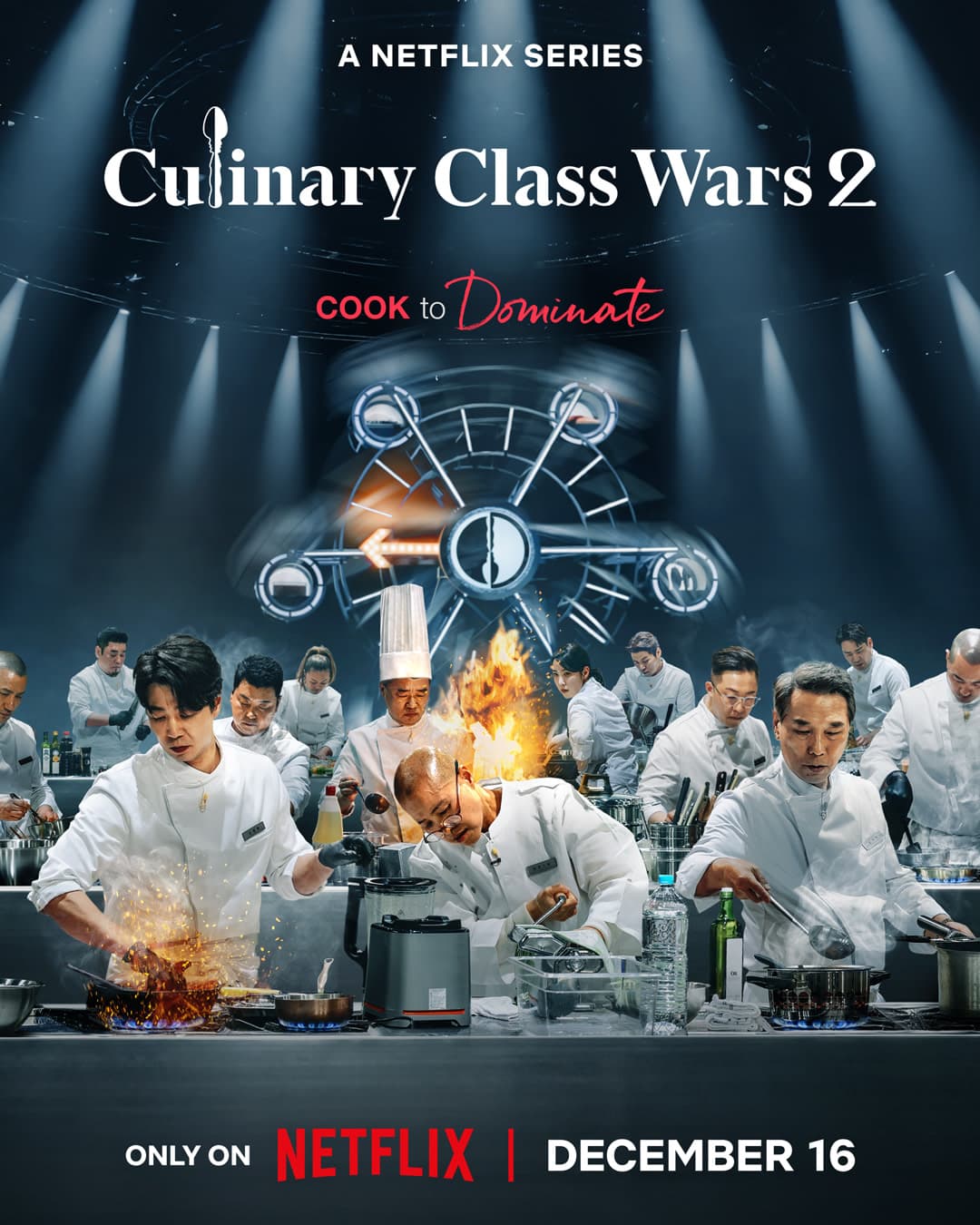
Cover Story: "Culinary Class Wars: Season 2" – The Battle of the Gods
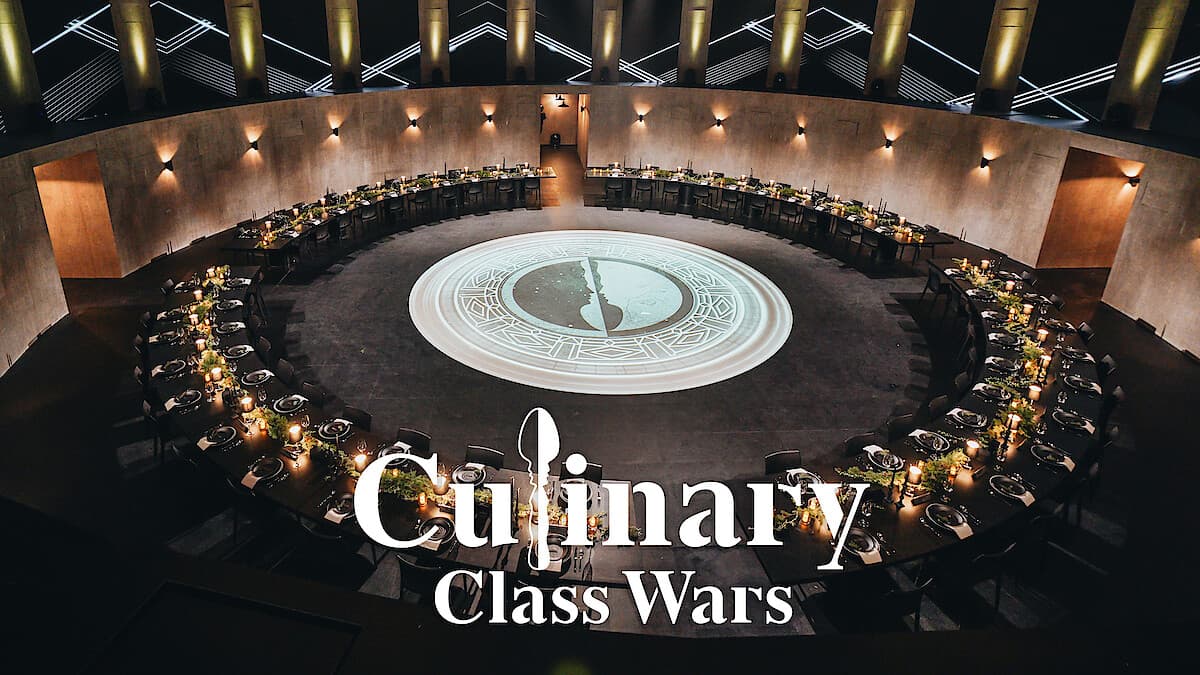
If Season 1 was a revolution, Season 2 is a full-scale war. Netflix’s Culinary Class Wars returns, not just to entertain, but to redefine the hierarchy of the culinary world. The premise is deceivingly simple: 80 'Black Spoon' underdogs versus 20 'White Spoon' elites. Yet, the execution is operatic. The show transforms the act of cooking into a high-stakes sport, stripping away the pretenses of fine dining to reveal the primal struggle for dominance.
This season's casting is nothing short of a coup. We are looking at a lineup that includes Michelin 2-star chef Lee Jun and the legendary former Blue House executive chef Cheon Sang-hyun. These are individuals who have nothing to gain and everything to lose. Why would a master put their reputation on the line against a nameless 'Chinese Food Renegade'? That is the central tension of the show. It explores the terrifying vulnerability of artists who must prove their worth anew with every dish.
The direction deserves immense praise for balancing the chaos of 100 chefs with intimate storytelling. The camera work lingers on the sweat of a master and the trembling hands of a challenger, creating a narrative of human resilience. The blind tasting format, led by the populist genius Baek Jong-won and the exacting purist Ahn Sung-jae, remains the show's beating heart. Watching these judges evaluate a dish with their eyes covered is a masterclass in suspense; it forces both the judge and the viewer to focus on the only thing that truly matters—flavor. It is a brutal, honest, and beautiful examination of skill.
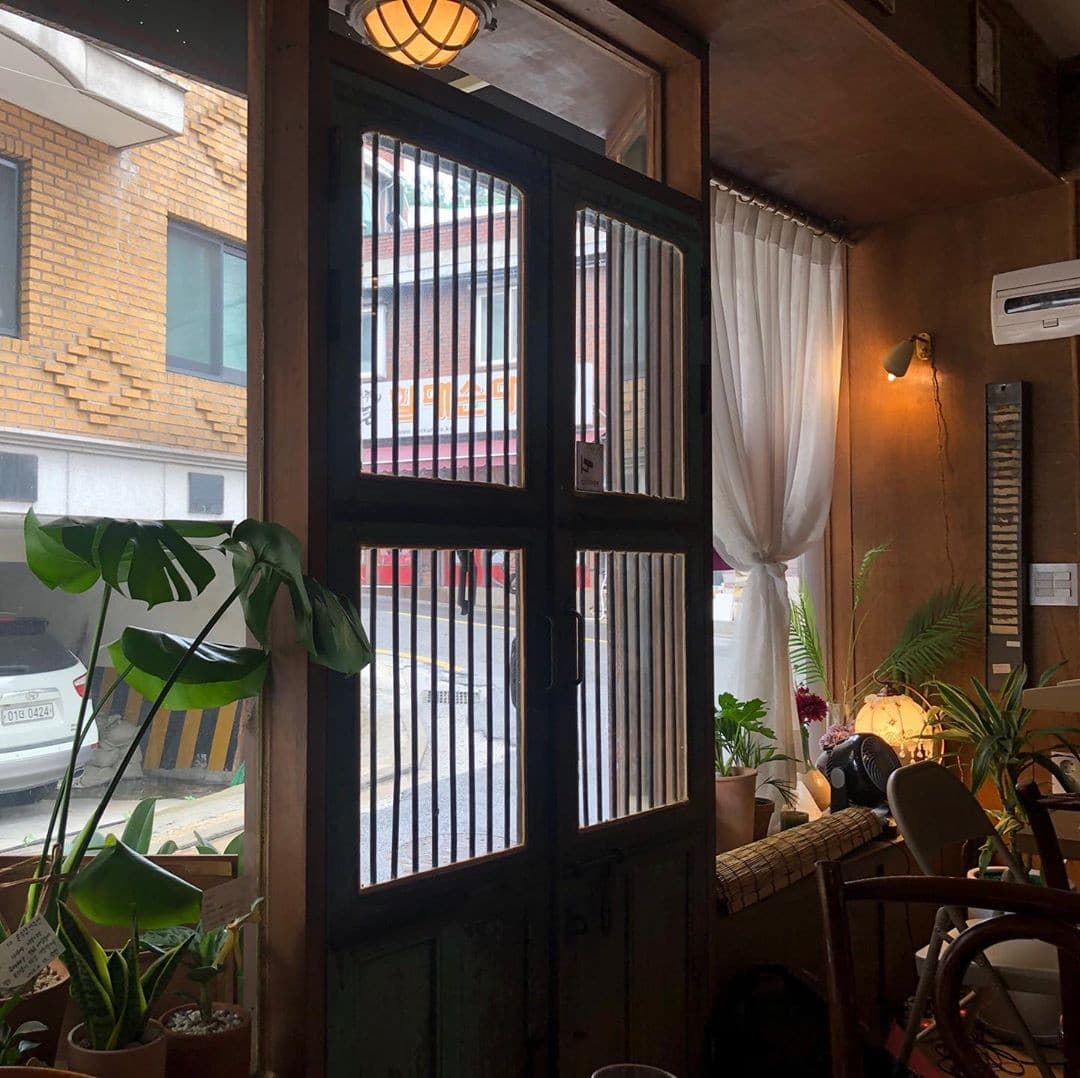
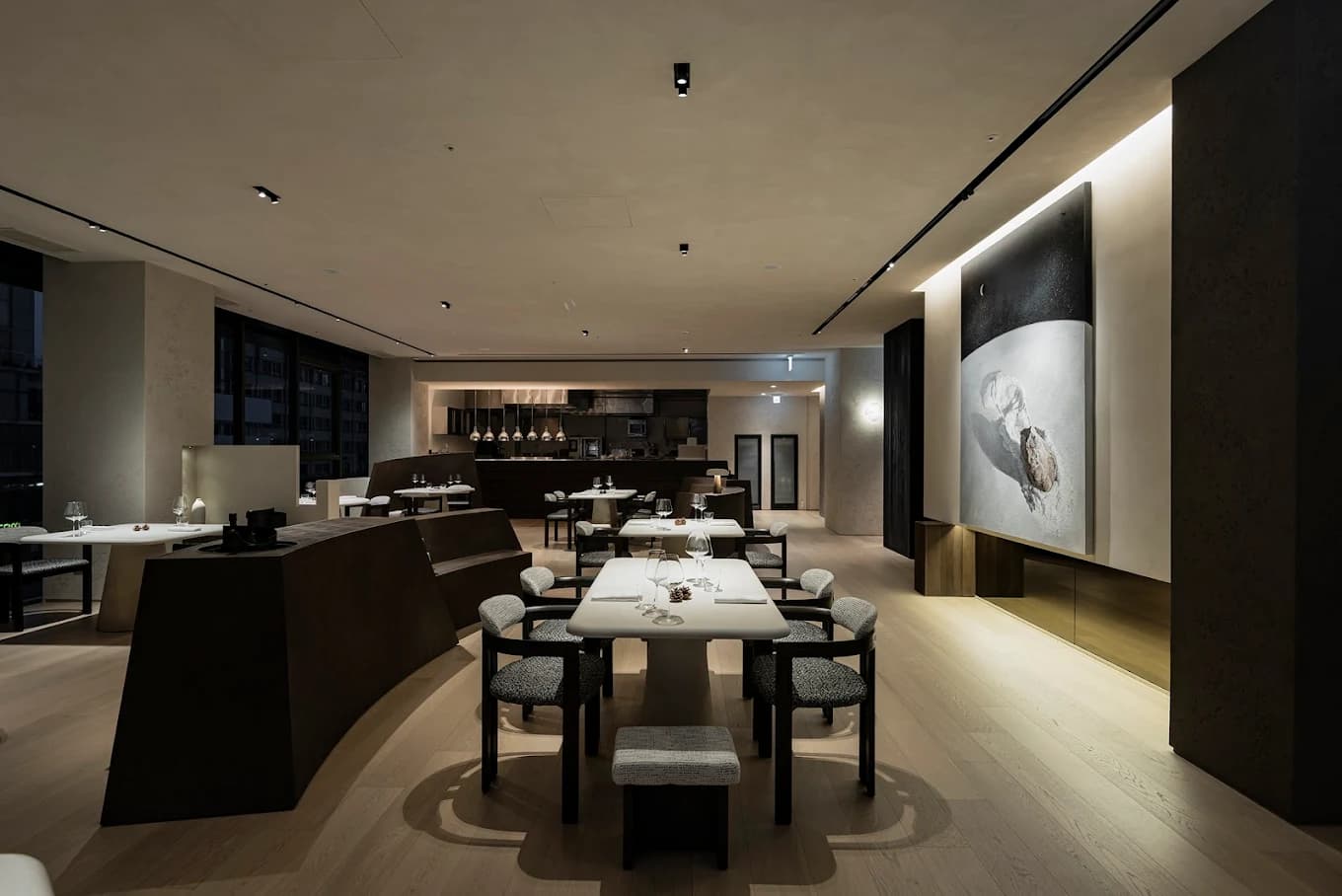
Location Note: The intense studio battles were filmed in a massive custom-built set in the Gyeonggi province, designed to accommodate 100 cooking stations simultaneously. However, the soul of the show lives in the real world. For instance, Chef Lee Jun’s sophisticated culinary style can be experienced at his restaurant, Soigné, located in Sinsa-dong, Seoul. The restaurant's modern interior reflects the precise, architectural nature of his cooking seen on the show.
Deep Dive: Savoring the Layers of "Culinary Class Wars"
To truly enjoy Culinary Class Wars: Season 2, one must look beyond the competition and appreciate the cultural tapestry it weaves. This is not just Iron Chef; it is a documentary on the evolution of Korean gastronomy. The show brilliantly juxtaposes different culinary philosophies. On one side, we have Seon Jae Snim, a master of Temple Food, representing a cuisine of subtraction, patience, and spiritual discipline. On the other, we have chefs like Jenny Walden, representing the vibrant, additive nature of Western fusion.
The "Class War" aspect—Black Spoon vs. White Spoon—is a fascinating social commentary. The 'Black Spoons' often come from humble backgrounds, running small diners or delivery joints. Their aliases, such as 'Seocho Crown Prince' or 'Iron Arm,' evoke the feeling of martial arts warriors in a wuxia novel. When a street-food master defeats a Michelin-starred chef using a simple, soulful recipe, the show delivers a catharsis that transcends food. It validates the effort of every unrecognized artisan working in the shadows.
Viewer's Tip: Pay close attention to the "Team Battles." This is where individual ego clashes with collective survival. The friction between a headstrong fine-dining chef and a pragmatic street cook often produces the most dramatic moments—and the most innovative dishes. Also, keep a notebook handy. The judges' comments often contain profound insights into flavor pairing and texture that can elevate your own home cooking.
Cultural Trip: If the appearance of Seon Jae Snim piqued your interest in Temple Food, a visit to the Korea Temple Food Center in Insa-dong is essential. It offers a serene escape from the city and a chance to taste the kind of spiritual cuisine that emphasizes the essence of nature, much like the dishes praised by the judges.
The Price of Confession
The Playlist: This Month's Must-Watch Dramas
1. "Cashero" (Action, Drama)
Imagine a world where your physical strength is directly proportional to the cash in your pocket. Cashero takes this absurd yet intriguing webtoon premise and grounds it in a gritty reality. The protagonist isn't a billionaire playboy; he's an ordinary man struggling to make ends meet. Every time he uses his superpowers to save someone, he literally loses money.
The series is a clever satire on capitalism and the cost of heroism. The action sequences are dynamic, visualizing the 'burning' of assets into kinetic energy, but the heart of the drama lies in the protagonist's dilemma: Is saving the world worth going bankrupt? It’s a refreshing twist on the superhero genre that feels uniquely Korean in its handling of socioeconomic themes.
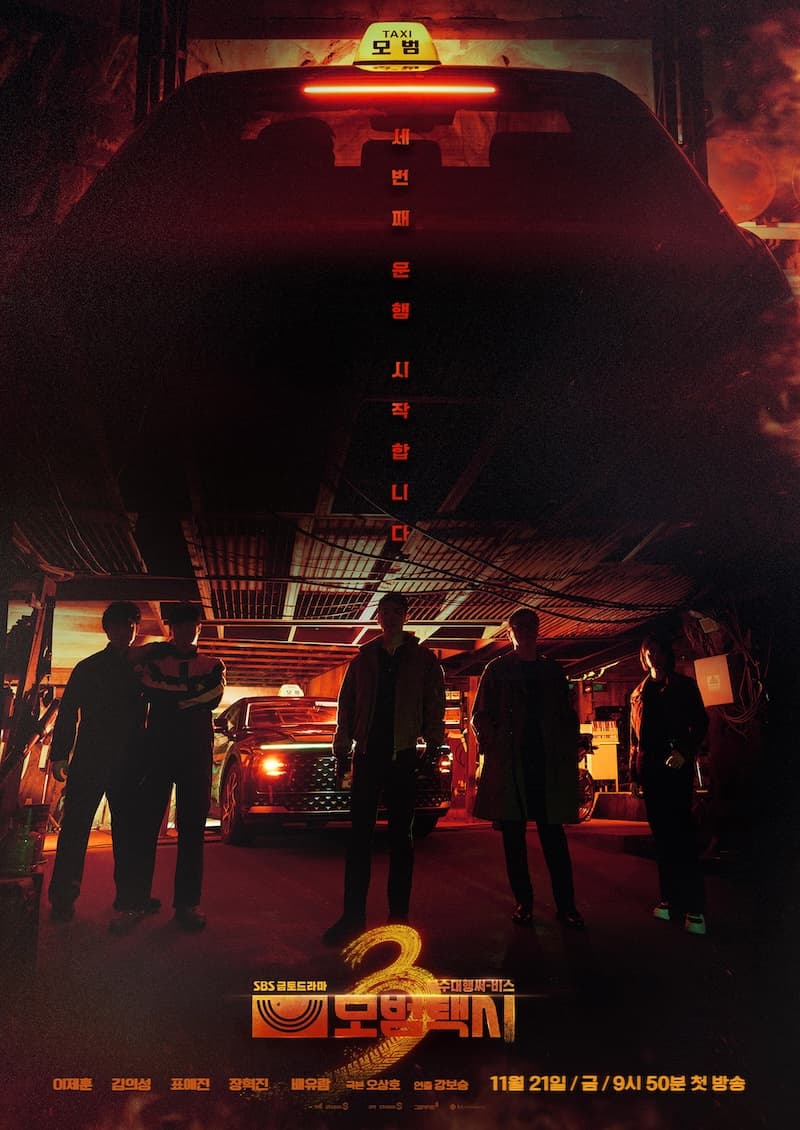
2. "Taxi Driver 3" (Action, Drama)
The Rainbow Taxi Company is back in business. Taxi Driver has cemented itself as a modern classic of the vigilante genre. Lee Je-hoon returns as Kim Do-gi, the anti-hero who delivers revenge on behalf of victims whom the law has failed. Season 3 promises to delve deeper into the shadowy organization behind the taxi service.
What makes this show so addictive is its structure. Each arc tackles real-world crimes—often ripped from the headlines—providing a satisfying, if violent, resolution that reality often denies us. The direction is slick, with car chases that rival Hollywood blockbusters, filmed often on the expansive roads of Songdo International City, giving the show a distinct, neon-noir aesthetic. It’s catharsis in its purest form.
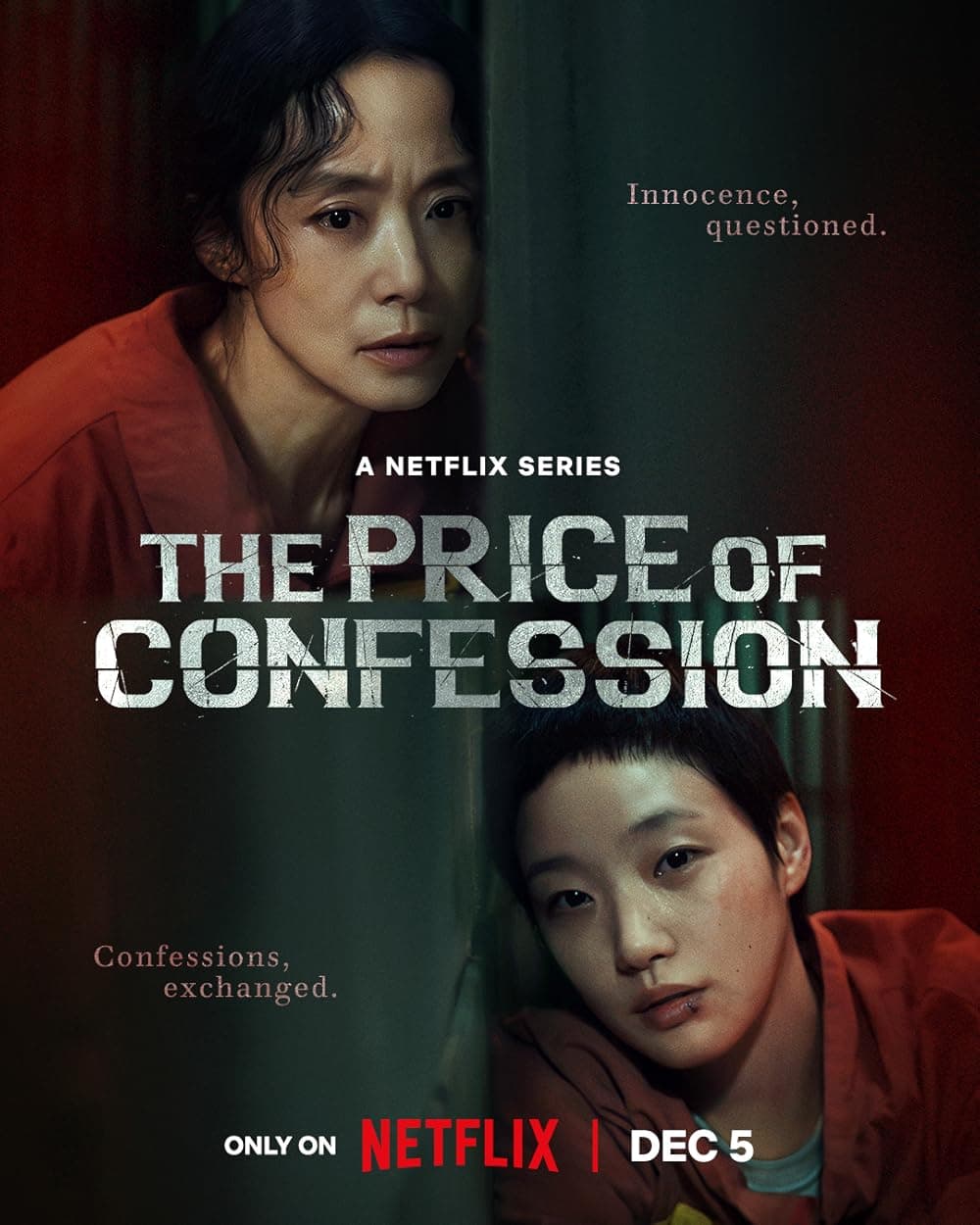
3. "The Price of Confession" (Mystery, Thriller)
This is perhaps the most atmospherically dense work of the season. A bloody chronicle binding two women surrounding a murder case, The Price of Confession is a masterclass in tension. The series relies less on jump scares and more on the suffocating psychological weight of secrets.
The cinematography is cold and detached, emphasizing the isolation of the characters. Watching the relationship unfold between the two leads—fluctuating between trust and suspicion—is the key appeal. It’s a slow-burn mystery that demands your full attention, perfect for a late Friday night viewing.
4. "Pro Bono" (Drama, Comedy)
Amidst the heavy themes of survival and revenge, offers a warm respite. This drama focuses on the human side of the law, featuring a lawyer who takes on cases not for money, but for people. It balances humor with touching human drama, reminiscent of the classic but with a grittier, street-level charm.
Epilogue: The Aftertaste of a Good Story
As the credits roll on these diverse works, we are left with a lingering aftertaste. Culinary Class Wars leaves us pondering the definition of mastery—is it the stars on the wall, or the honesty on the plate? Taxi Driver and Cashero force us to question what we would sacrifice for justice.
Great content, like a great meal, should not just fill time; it should nourish the mind. These stories challenge us to look at the world differently, to appreciate the hidden masters around us, and to find the courage to fight our own battles. Until the next issue, may your screens be bright and your meals be delicious. Enjoy the show.