1. The Prologue: When the Curtain Rises on the Truth
There is a specific moment in cinema that I cherish above all others—the breath before the revelation. It is that suspended second where the audience realizes that what they have been watching is not merely a story, but a mirror reflecting their own desires, vanities, and fears. This month, Hizine invites you to step into that suspended moment. We are traversing a landscape of shadows and light, exploring narratives that peel back the glossy veneer of society to reveal the raw, often uncomfortable truths beneath.
Cinema and television have always been the most potent mediums for exploring the concept of the "persona"—the social face the individual presents to the world. But what happens when that persona consumes the person? What happens when the lie becomes more valuable than the truth? The works we are highlighting in this issue do not shy away from these questions. They demand that we confront the fragility of our own identities. From the neon-soaked streets of Seoul’s luxury districts to the apocalyptic ruins of a fantasy world, the settings are diverse, yet the emotional core remains singular: the desperate human struggle to be seen, to be real, and to be remembered. So, dim the lights and let us guide you through the labyrinth.
2. Cover Story: The Art of Sarah — A Masterpiece of Deception
"If a fake is indistinguishable from the real thing, does it acquire value?"
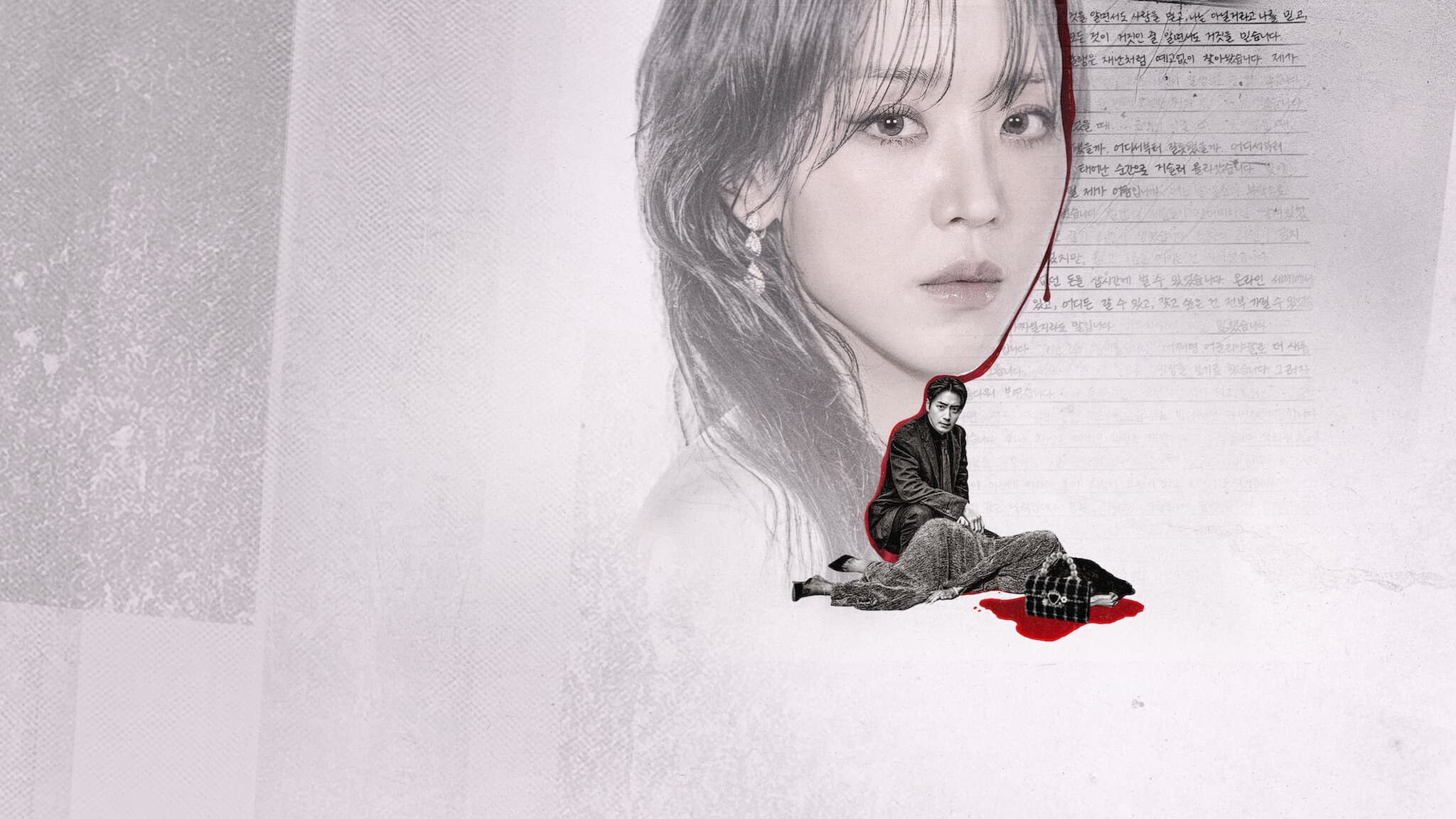
This chilling question serves as the heartbeat of Netflix's upcoming masterpiece, The Art of Sarah (locally known as Lady Dua). Set to premiere in 2026, this series is not your standard procedural whodunit; it is a suffocatingly beautiful descent into the psychology of envy and identity.
The premise is startlingly visceral. Sarah Kim (played by the chameleon-like Shin Hye-sun), the Asia Regional Director for the luxury brand 'Budua,' is found dead. Her body, discovered in a sewer, stands in grotesque contrast to the pristine, high-fashion world she inhabited. The brutality of her disfigurement suggests a crime of passion, or perhaps, a crime of erasure. Enter Detective Moo-kyung (Lee Joon-hyuk), a man whose tenacity is matched only by his cynicism. Armed with only a luxury handbag and a tattoo as clues, he navigates a maze of unreliable narrators.
The Directorial Vision
Director Kim Jin-min has long been a pioneer of the genre, giving us the raw violence of My Name and the youthful desperation of Extracurricular. However, in The Art of Sarah, he holsters the guns and sharpens the camera lens. The cinematography is a character in itself. Kim utilizes a stark, clinical lighting style for the Cheongdam-dong boutiques—making the luxury goods appear almost sterile and cold—contrasted against the humid, shadow-drenched grittiness of the investigation scenes. This visual dichotomy reinforces the narrative's central conflict: the polished lie versus the dirty truth.
Performance Notes
We must talk about the reunion of Shin Hye-sun and Lee Joon-hyuk. Fans of Stranger (Secret Forest) have waited nine years for this. While they were tragic figures in their previous collaboration, here they are adversaries in a posthumous chess game. Shin Hye-sun portrays Sarah in flashbacks with a haunting ambition; she is a woman sculpting herself into a "masterpiece," layering lies like oil paint. Lee Joon-hyuk delivers a restrained, simmering performance, his eyes conveying the exhaustion of a man peering into the abyss of human vanity.
Location Highlight
Much of the series' visual splendor is grounded in the actual streets of Cheongdam-dong Fashion Street. The production team filmed on location during the pre-dawn hours to capture the eerie silence of the luxury district when the consumers are asleep. Walking down this street in real life, with its towering flagship stores, one can easily feel the suffocating pressure of status that Sarah Kim felt—a "golden cage" that makes for a perfect, if tragic, backdrop.
3. Deep Dive: Decoding the Details
To truly appreciate The Art of Sarah, one must look beyond the plot twists. The series is a scathing critique of modern materialism. The fictional brand 'Budua' serves as a motif for the hollow promises of capitalism. The series asks us to consider why we covet what we covet. Is it the quality of the leather, or the story we tell ourselves when we hold it?
Music and Atmosphere
The score, composed by industry veterans, eschews typical thriller crescendos for a discordant, string-heavy ambient soundscape. It mimics the feeling of anxiety—a low hum that never quite resolves. It reminds me of the unsettling quiet found in films like Decision to Leave, where the silence speaks louder than the dialogue.
For the Avid Traveler
If you wish to trace the footsteps of Detective Moo-kyung, start at the Han River Park near Jamwon. Several key introspection scenes were filmed against the backdrop of the bridge lights reflecting on the water. It is here that Moo-kyung contemplates the duality of Seoul—a city of blinding lights and deep shadows. Visit at night, bring a warm coat, and you might just feel the noir atmosphere seeping into your bones.
4. Featured Works: A Symphony of Genres
While The Art of Sarah explores the darkness, our other featured works traverse the spectrum of human emotion, from heart-wrenching romance to epic fantasy.
Even If This Love Disappears from the World Tonight
Prepare your tissues. This adaptation of the beloved novel is a masterclass in melodrama. The story of a girl with anterograde amnesia and the boy who fakes a romance with her is elevated by tender direction and a soft, pastel-hued color palette. Unlike the cynicism of Sarah, this film argues that even "fake" love can become the most genuine emotion of all. The performances are subtle, relying on micro-expressions to convey the tragedy of a love with an expiration date.
- Location Note: The iconic bicycle date scenes capture the nostalgic essence of youth. While the original setting is Japanese, the Korean adaptation utilizes the scenic coastal roads of Gangneung, offering a breathtaking view of the East Sea that mirrors the vast, washing-away nature of the protagonist's memory.
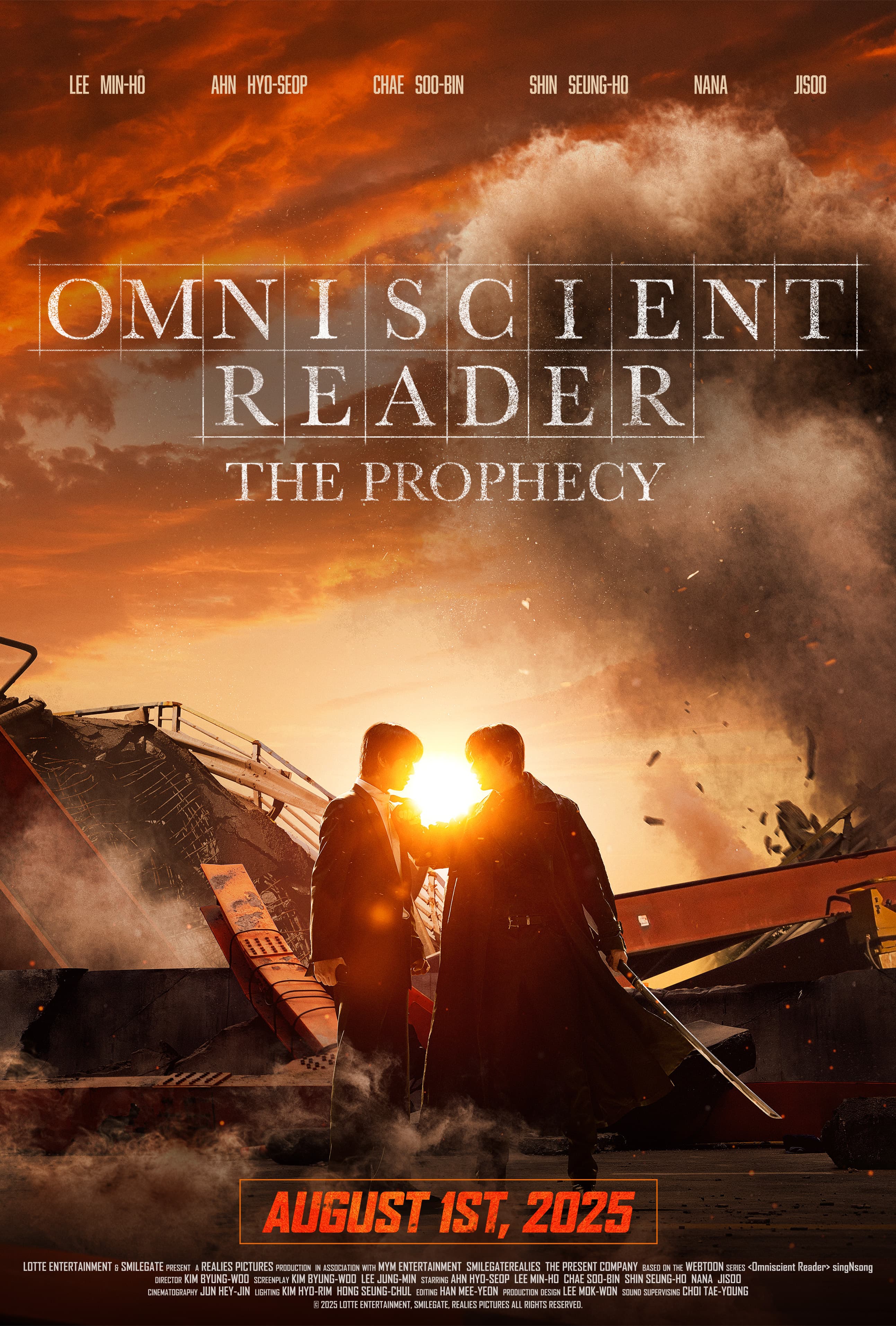
Omniscient Reader: The Prophecy
From intimate romance to massive scale, this film adapts one of the most successful web novels of our time. It is an action-fantasy that breaks the fourth wall. The protagonist, Dokja (meaning "Reader"), is the only one who knows the ending of the apocalyptic novel that has become reality. The visual effects are groundbreaking for Korean cinema, blending the grotesque monsters of the apocalypse with the crumbling urban landscape of Seoul. The film serves as a meta-commentary on the act of storytelling itself.
- Location Note: The inciting incident, where the subway carriage turns into a scenario of death, was filmed on a massive set, but the exterior shots of the ruined city center center around Gwanghwamun Square. Standing before the statue of Admiral Yi Sun-sin there, one can imagine the scenarios unfolding in the film.
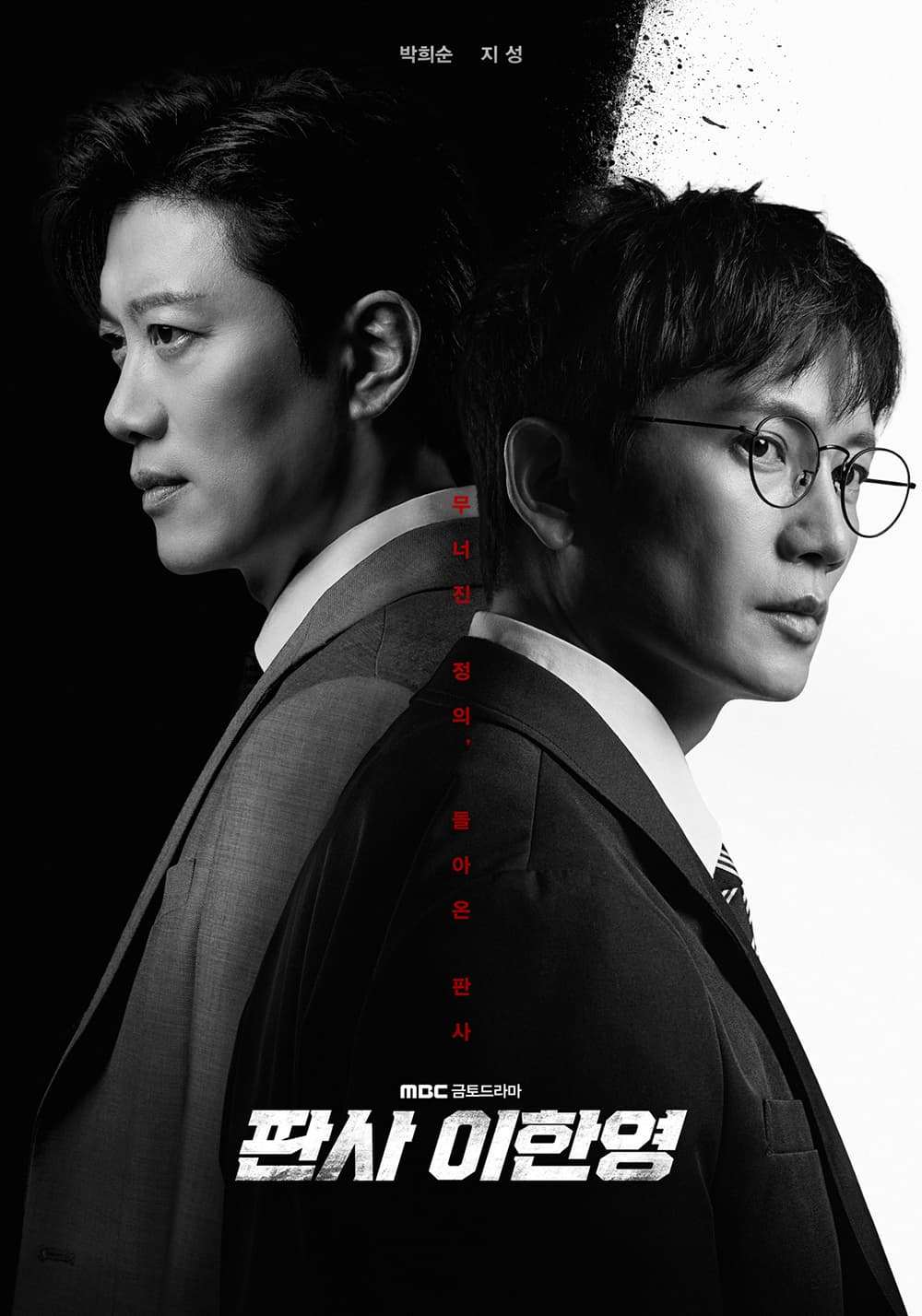
The Judge Returns
In a world that often feels unjust, The Judge Returns offers pure catharsis. Combining the legal genre with the "regression" trope, it follows a judge who travels back in time to right the wrongs of his past judgments. It is fast-paced, witty, and deeply satisfying. The courtroom scenes are shot with dynamic angles, emphasizing the shift in power dynamics as the protagonist uses his future knowledge to outmaneuver corrupt officials.
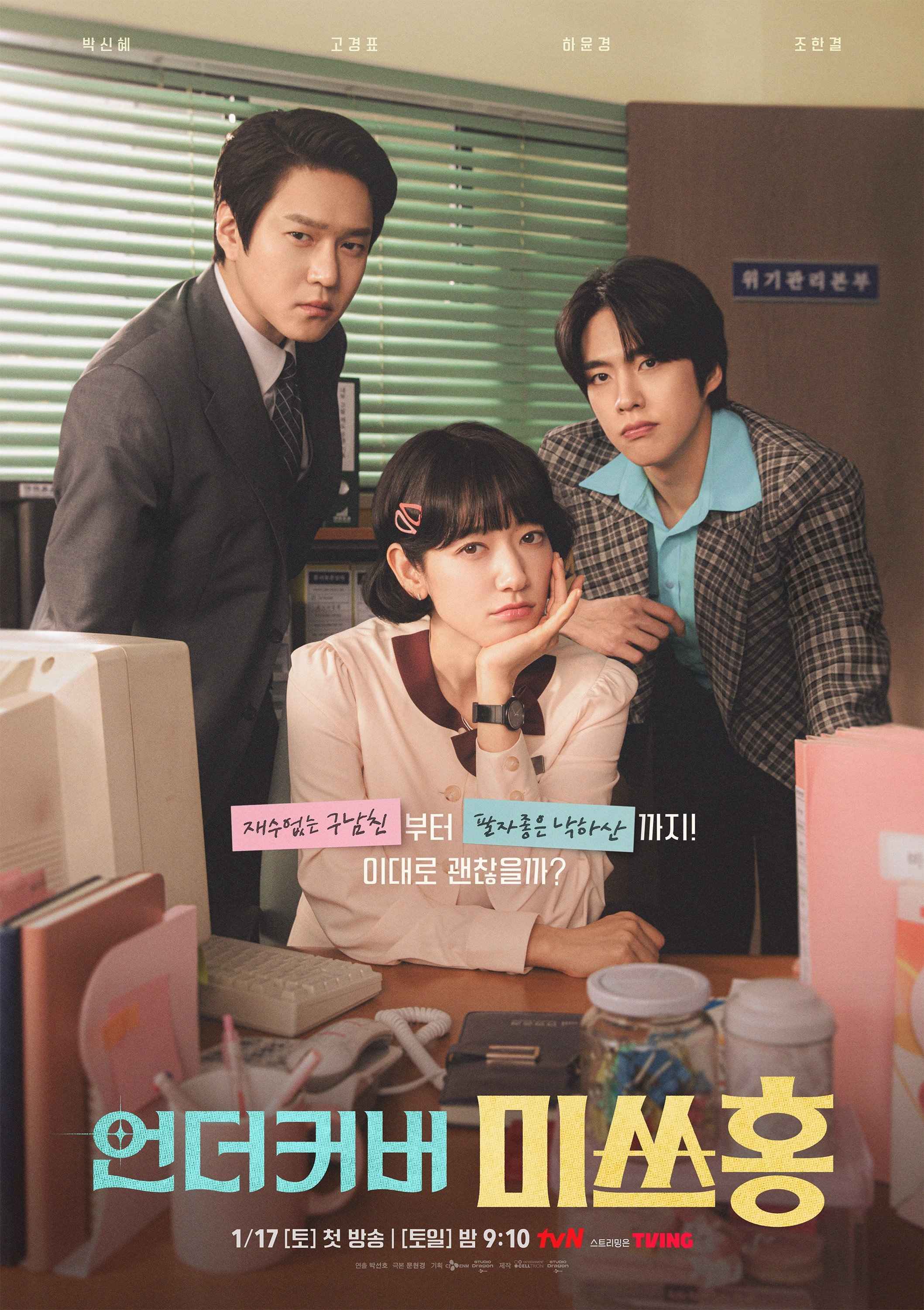
Can This Love Be Translated?
The Hong Sisters (presumed style) return with a Rom-Com that tackles the modern Tower of Babel. A top star and an interpreter navigate the chaotic waters of mistranslation and misunderstanding. It is lighthearted, colorful, and visually pops with the vibrancy of the entertainment industry. The chemistry relies on the friction of language, proving that love is often about what is not said.
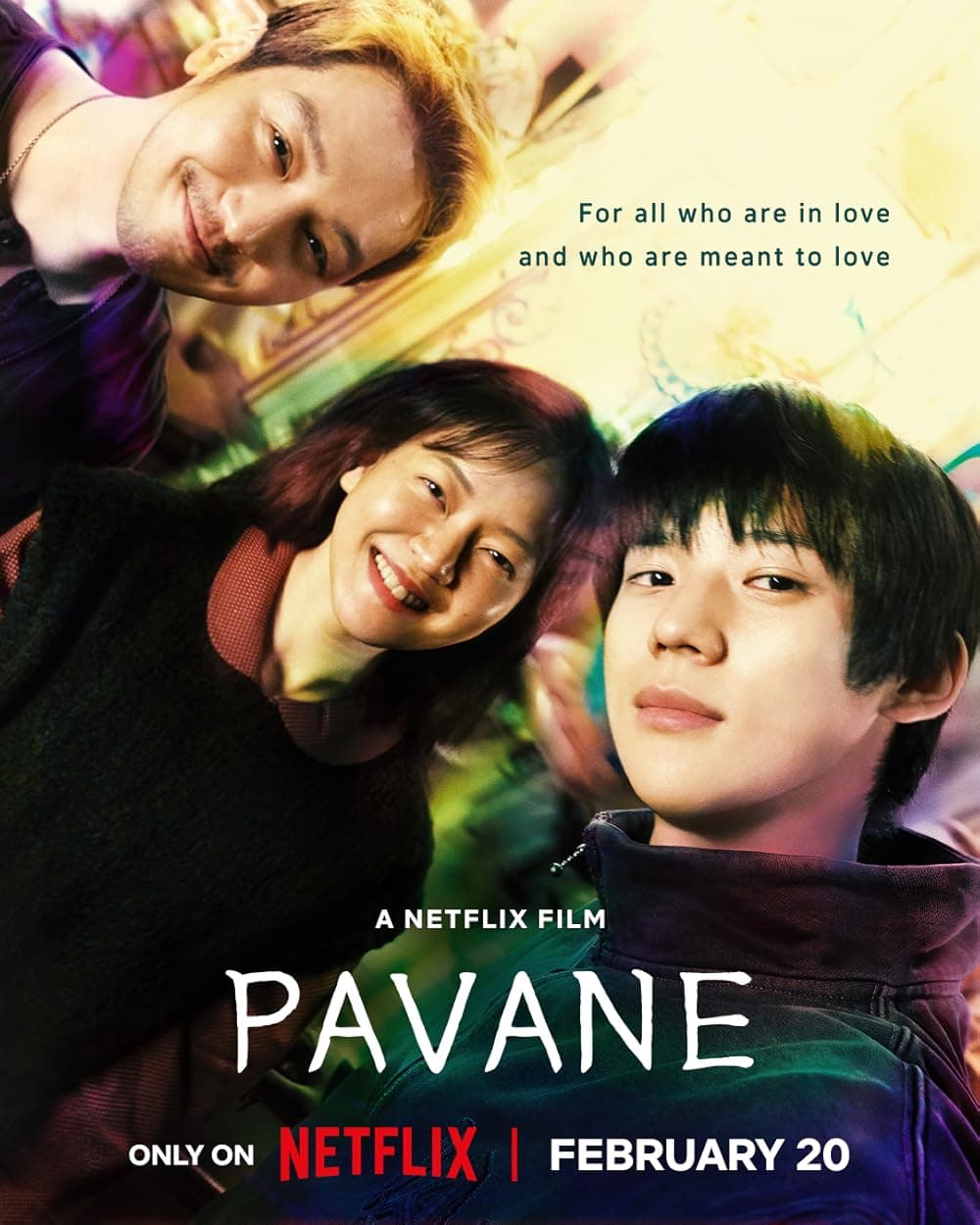
Pavane
Finally, we have Pavane, a film that feels like a piece of classical music. It is a slow-burn romance drama that prioritizes atmosphere over plot. The camera lingers on rain-streaked windows and empty concert halls. It explores the sorrow of adulthood and the quiet comfort of finding someone who understands your specific frequency of loneliness. It is a film to watch on a rainy Friday night with a glass of wine.
5. Epilogue: The Lingering Shadow
As the credits roll on these works, we are left with a residual feeling—a "phantom sensation." The Art of Sarah leaves us questioning the authenticity of our social media feeds and our closets. Even If This Love Disappears leaves us clutching our memories a little tighter. Omniscient Reader makes us look at the skyline and wonder about the stories hidden in the concrete.
Great storytelling does not end when the screen goes black. It follows you out of the theater, it sits with you on the subway ride home, and it colors the way you view the world the next morning. This month's selection is curated to do exactly that: to linger. Whether you are seeking the thrill of a mystery or the warmth of a romance, these stories are reminders that in a world of fakes and copies, the emotions we feel while watching them are undeniably real.
Until next issue, keep watching.
Senior Editor, Hizine