Where Royals Stood: Eight Sites Reopened by a Drama
How 21st Century Royal Consort drew Joseon's landscape with a camera


Even after you have seen the drama, standing in the same place starts the scene again.
A Camera That Crosses the Peninsula
21st Century Royal Consort crosses Korea more widely than almost any drama in recent memory. Suwon, Gyeongju, Andong, Haman, Wanju, Buyeo, Seoul, Yecheon, Busan. The time-slip premise gives the production a license to unfold a map of Korean heritage sites and use almost all of it. The result is a drama that doubles as the broadest atlas of "Korean landscape" television has produced in years.
From a Silla royal tomb to a recreated Baekje palace, from Joseon pavilions to the marina of the 1988 Olympics, each location is not merely a backdrop, but a marker on a timeline of layered history. The line connecting these eight sites is not accidental. It is intentional. Walking that intention is the heart of this journey.
Hwaseong Haenggung, Suwon: A Stage Where Ritual Still Lives
The journey begins at Hwaseong Haenggung in Suwon. The detached palace King Jeongjo built for his mother, Lady Hyegyong, appears in the first episode's royal birthday ceremony. Under nighttime illumination, the period rite is reconstructed with near-documentary precision. Walkable from Suwon Station, the palace lets the modern city slip suddenly through to another century.
Hwaseong Haenggung is well worth visiting on its own terms. The palace runs an evening opening from Friday to Sunday, where you can see the very illuminated scene the drama captured in its first episode. The nighttime admission is a modest 1,500 won, and if you walk on to the Hwaseong fortress wall climbing the slope of Paldalsan behind the palace, you pass through the whole of Jeongjo's city design in a single day.
The reason the drama's ceremonial scenes look like documentary is that this space is already a finished stage.
The real weight of the palace reveals itself at night more than by day. The eave lines of the tiled rooftops sharpen under artificial light, and the wide central courtyard becomes what it always was: a space kept empty for ceremony. The production's choice to open the drama here, with the first scene of the first episode, was a declaration of where this story breathes.
Oreung, Gyeongju: Where the Timeline Crosses Obliquely
The much-discussed wall kiss was filmed at Oreung in Gyeongju, the burial ground of the first five Silla monarchs. Low earthen walls and a centuries-old pine forest carry the scene. A Joseon-era story leaning on Silla-era walls, the geography itself crosses the timeline obliquely.
Oreung sits within Gyeongju city, so it is easy to reach. Cheomseongdae, Daereungwon, and Gyochon Village are all within walking distance, making for a natural half-day route. But for a viewer of the drama, Oreung is special for another reason: the grain of shadow cast by those bent pines is far deeper and quieter in person than on screen.
A royal tomb ground is, by design, a space the living leave empty for the dead, and that stillness is what held the tension of the kiss scene. The earthen walls of the royal enclosure were built from centuries of compacted soil, and the two characters who leaned against them seemed to set their feelings down for a moment on the full weight of that history. The production is said to have minimised artificial lighting and worked with natural light, which means the physical space of Oreung was doing half the directing.
Manhyujeong, Andong: A Proposal on a Single-Log Bridge
The proposal sequence was shot at Manhyujeong in Andong. This mid-Joseon pavilion, built by the scholar Kim Gye-haeng as a hermit's retreat, is known for the single-log bridge suspended over the valley stream below it. A 500-year zelkova tree stands guard at one end. The spatial logic of the place is itself already the logic of the drama: a bridge that can only be crossed one person at a time physically closes the distance between two people.
Manhyujeong is a designated tangible cultural heritage site, accessible via Mukgye-hari Road in Giran-myeon, Andong. The final stretch is a narrow valley road, so allow extra time. When you arrive, you hear the stream before you see the pavilion. The sound the drama used as ambient music is, in person, far clearer than any recording could capture.
Beneath a 500-year zelkova tree, on a bridge only one person can cross at a time, the landscape becomes not a backdrop for feeling but a poem in its own right.
Mujinjeong, Haman: The Night the Embers Met the Water
The lantern-fire scene was filmed at Mujinjeong in Haman. Flame petals falling onto a pavilion suspended over a pond. This scene holds the drama's emotional core because the landscape does not support the feeling, the landscape is the poem.
The fire ceremony at Haman's Mujinjeong is not fiction. Every year, on the eighth day of the fourth lunar month, long ropes are strung over the Mujinjeong pond, and charcoal-packed nokwha lanterns are lit so that embers fall slowly, kindling a second light on the surface of the water. The Haman nokwha is a nationally designated intangible cultural heritage. The drama borrowed the look of this real event almost intact, and so the scene carries a thickness of time no set could match.
The architectural fact of Mujinjeong, a pavilion built by the Joseon official Jo Sam, positioned at the center of a pond, completes the stage conditions for this ceremony. The embers do not only fall downward: reflected in the still water, they light the pavilion from below as well, so it floats in the center of a circle of fire. The drama read that double flame as the moment when two characters' feelings first align.
Awon Gotaek, Wanju: A Hanok Dressed in Royal Bearing
The Grand Prince's private residence in the drama is Awon Gotaek in Wanju, a 250-year-old hanok relocated from Jinju. The house was dismantled whole and raised again on the slope of Jongnamsan, and it now operates as a hanok stay. Late Joseon architectural style is preserved here close to its original form; the wide courtyard and the line of its tiled rooftop convey the bearing of a royal household's private quarters.
The fact of a relocated hanok is, paradoxically, what gives this space its particular historical resonance. A building that has already experienced one displacement, lifted from its original foundations and replanted elsewhere, becomes a fitting home for a protagonist who slips between centuries. That the drama placed its time-traveling lead here rather than in a newly built set reveals something about the production's instinct for place. Because Awon Gotaek operates as a hanok stay, a traveller can actually spend a night in the drama's location.
Buyeo, Seoul, Yecheon, Busan: Widening the Scale of History
The Baekje Cultural Complex in Buyeo, a large-scale recreation of the Sabi-era Baekje royal palace and temple complex, provided the backdrop for the drama's grand ceremonial parade. No single historical site in the drama offers a procession space of this scale. The buildings are reconstructions, but the proportions and colouring of Baekje architecture are rendered faithfully, and standing among them, one feels the weight of a dynasty older than Joseon. The site is conveniently located adjacent to Lotte Theme Park for combined itineraries.
The formal ritual sequences around Geunjeongjeon at Gyeongbokgung in Seoul were used when the drama needed its most rigorous expression of ceremonial gravity. This is the main palace of the Joseon Dynasty, the central stage of five hundred years of rule. A short walk from City Hall, it pairs well with the Palace Culture and Life Museum for a deeper understanding of the drama's court sequences.
Yecheon's traditional archery range served the rivalry duel between the lead characters. Yecheon also offers hands-on traditional archery experience programs, so drama viewers can step into the discipline shown on screen. Busan's Suyeong Bay Yacht Center, host to the 1988 Seoul Olympic sailing events and still carrying that residue, becomes the visual shorthand for the drama's contemporary chaebol world. High-end yachts against the Haeundae skyline compress the visual language of the modern half of the story into a single frame.
The Line That Connects Eight Sites
The line connecting these eight sites is no accident. A Silla tomb, a Baekje palace, Joseon pavilions and a detached palace, and the marina of the 1988 Olympics. The drama gathers nearly every dynasty and modern era the peninsula has passed through into a single frame. The time-slip device is the excuse that justifies that collection, and, at the same time, the device that reveals that the land called Korea is itself a vast stratum of time.
The drama's virtue isn't in collecting all eight sites. It is in how long the camera stays at each. Action, ritual, proposal, the shot breathes the space before it breathes the character. It is a pace only a period drama can afford, and only Korean heritage sites can answer. The longer the camera lingers, the more weight a traveller feels when they stand in the same place.
A Guide for Travellers
For a traveller: don't try to do all eight at once. One at a time. Just see the nighttime illumination at Hwaseong Haenggung, or walk to the wooden bridge at Manhyujeong. Pair Gyeongju's Oreung with the city's other heritage sites for a half-day; stay a night at Awon Gotaek in Wanju; and visit Mujinjeong in Haman timed to the fire ceremony on the eighth of the fourth lunar month.
The recommended starting point is Suwon. It is close to Seoul, and the evening palace alone is enough to feel the drama's tone. Begin there and move slowly south, to Gyeongju, Andong, Haman, and the route becomes, in itself, a journey back up the timeline of the peninsula. Buyeo and Busan work well as separate overnight trips, allowing you to absorb the atmosphere of each site without travel fatigue.
Even after you have seen the drama, standing in the same place starts the scene again. The places where royals once stood were originally empty space. The drama drew those places once more with its camera, and now it is the traveller's turn to draw them a third time, with their own steps.
Filming Locations
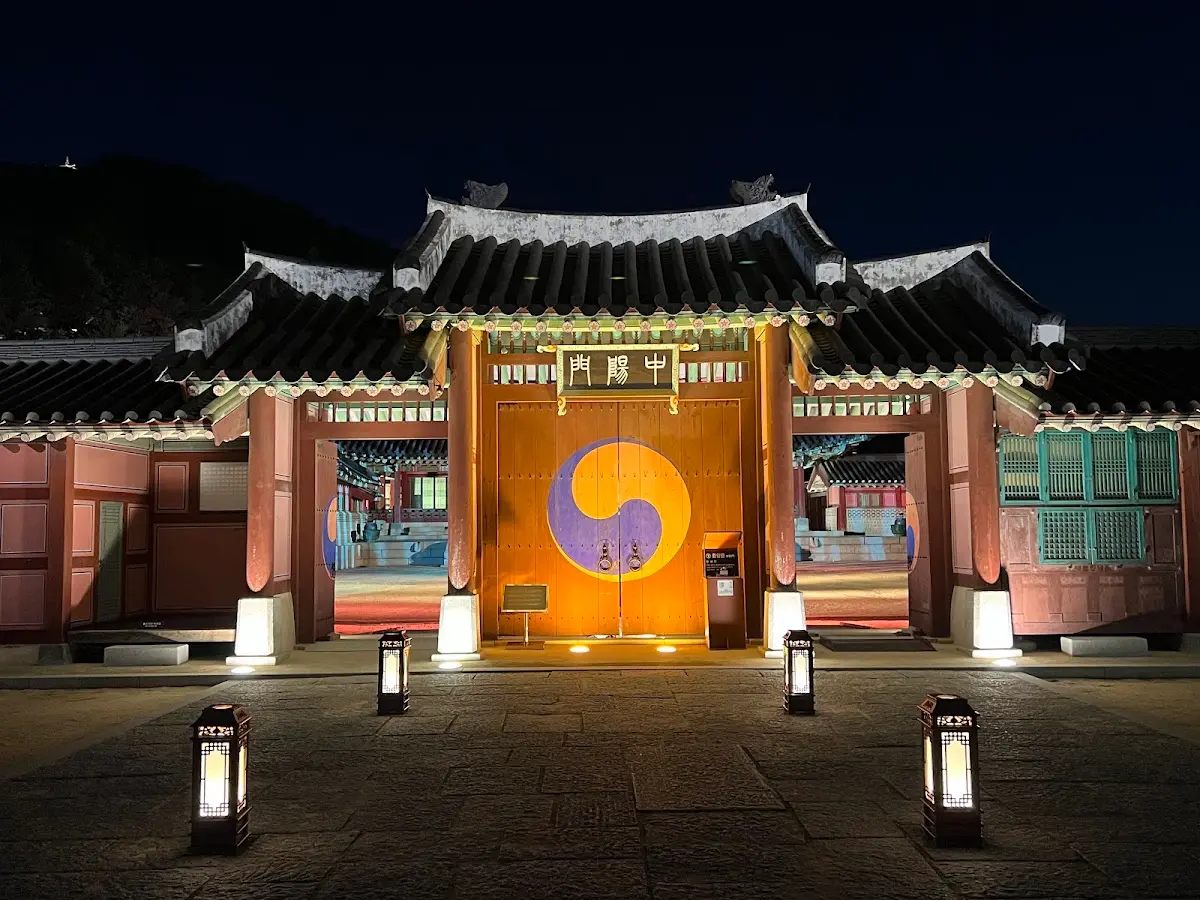
수원 화성행궁 경기도 수원시 팔달구 행궁로 11
The Joseon-era detached palace where the 1st episode royal birthday ceremony was filmed. Built by King Jeongjo for his mother Lady Hyegyong, it provided the backdrop for court ritual and evening scenes. Easily walkable from central Suwon and known for its nighttime illuminations.
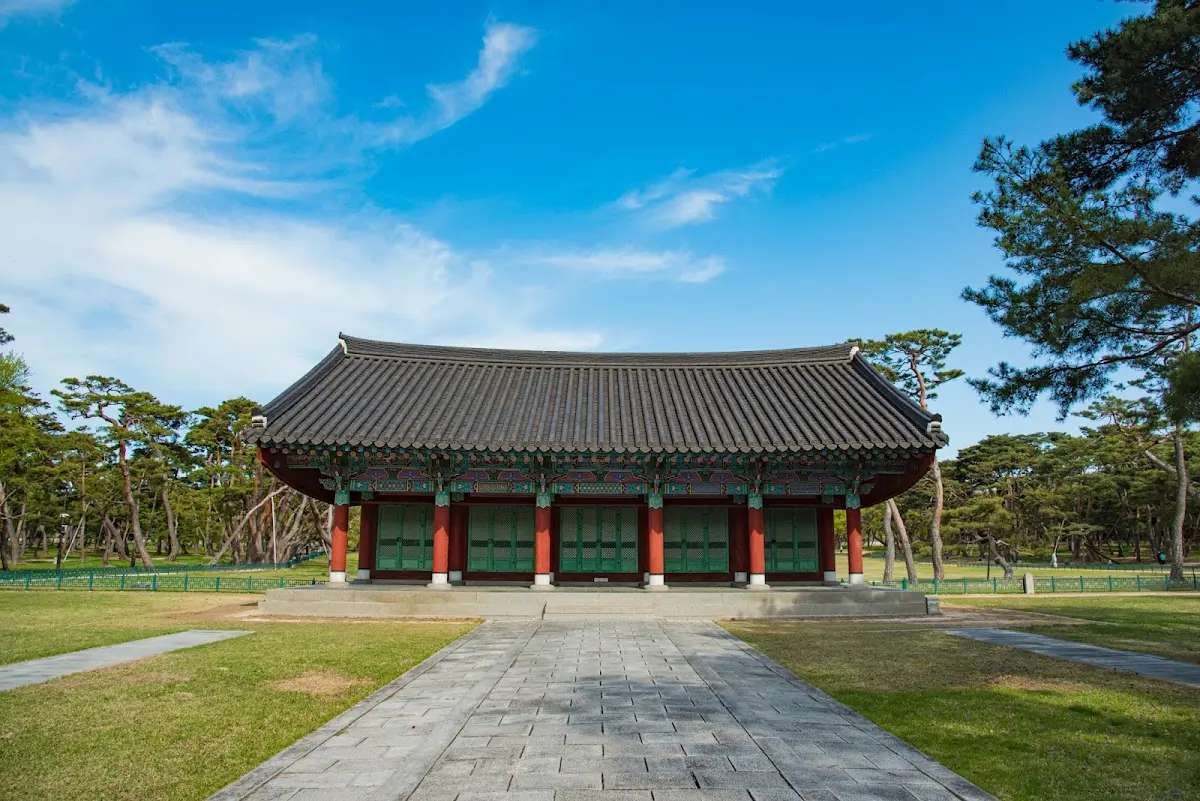
경주 오릉 경상북도 경주시 탑동 67-1
The Silla royal burial ground where the drama's most-talked-about wall-kiss scene was filmed. The combination of low earthen walls and a centuries-old pine forest created the visual backdrop for the leads' turning-point scene. The site also enshrines the tombs of the first five Silla monarchs.
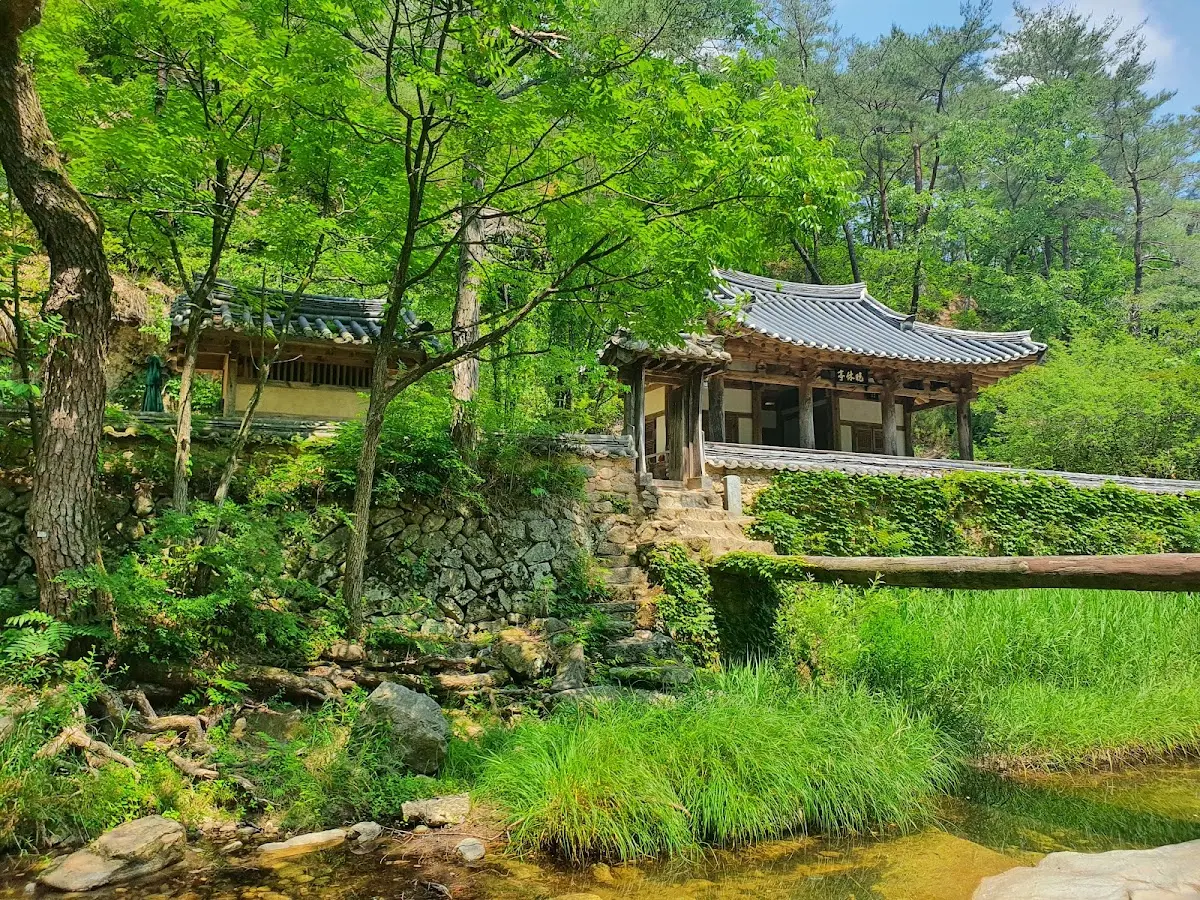
만휴정 경상북도 안동시 길안면 묵계하리길 42
The Joseon mid-period pavilion where the proposal scene was filmed. The single-log bridge over the valley stream served as the setting for the proposal sequence. A 500-year-old zelkova tree and flowing creek surround the structure, which was built by Joseon scholar Kim Gye-haeng as a retreat.
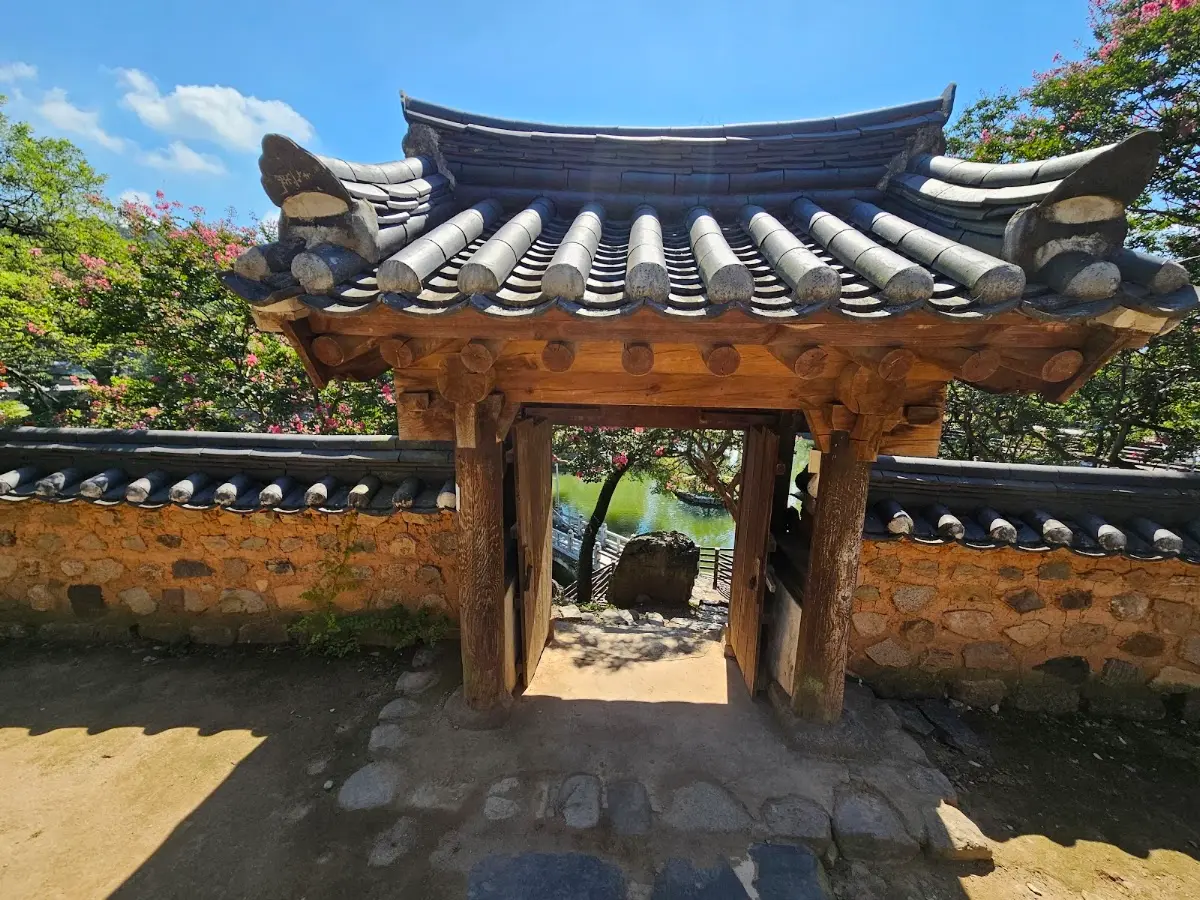
무진정 경상남도 함안군 함안면 괴산리 782
The pond-spanning pavilion where the nokwha (falling fire) lantern scene was filmed. Built by Joseon official Jo Sam, its position at the center of a pond made it the natural stage for the drama's spectacular fire-ember ceremony. Haman's nokwha tradition is a nationally designated intangible cultural heritage.
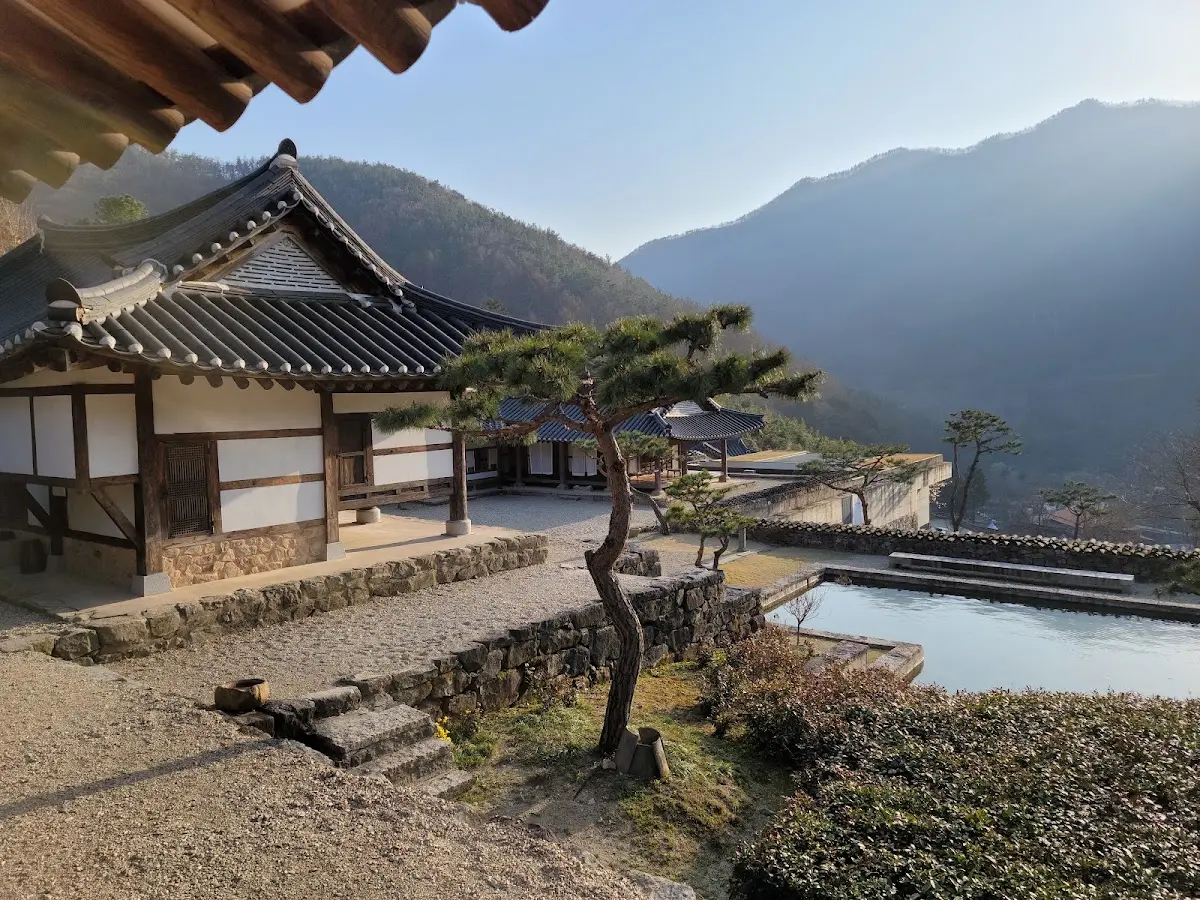
아원고택 전라북도 완주군 소양면 대흥리 58-1
The 250-year-old traditional hanok that served as the Grand Prince's private residence. One of Wanju's best-preserved examples of late Joseon architecture, its wide courtyard and tiled roofline conveyed the atmosphere of a royal family's private quarters. Currently operates as a hanok stay.
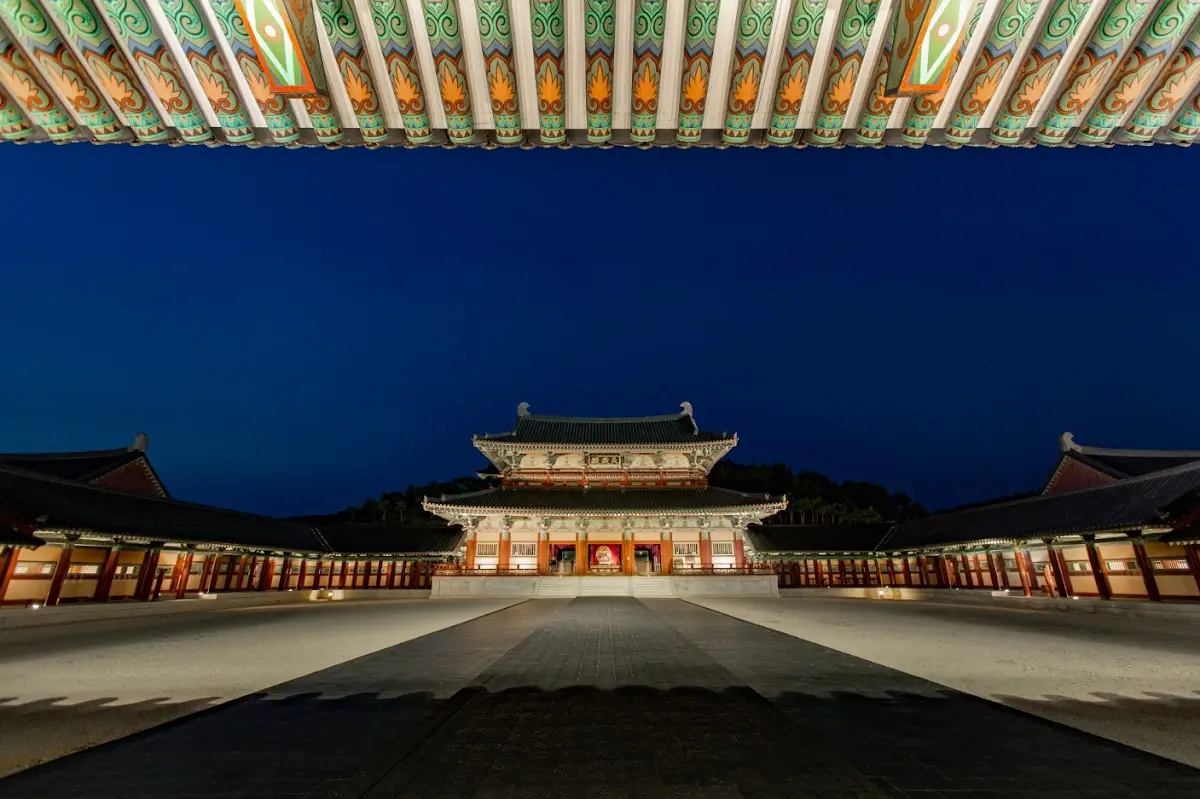
백제문화단지 충청남도 부여군 규암면 백제문로 455
The Baekje historical recreation complex where the royal procession scene was filmed. The large-scale recreation of the Sabi Baekje royal palace and temple complex provided the backdrop for the drama's grand ceremonial parade. Located adjacent to Lotte Theme Park for easy tourism access.
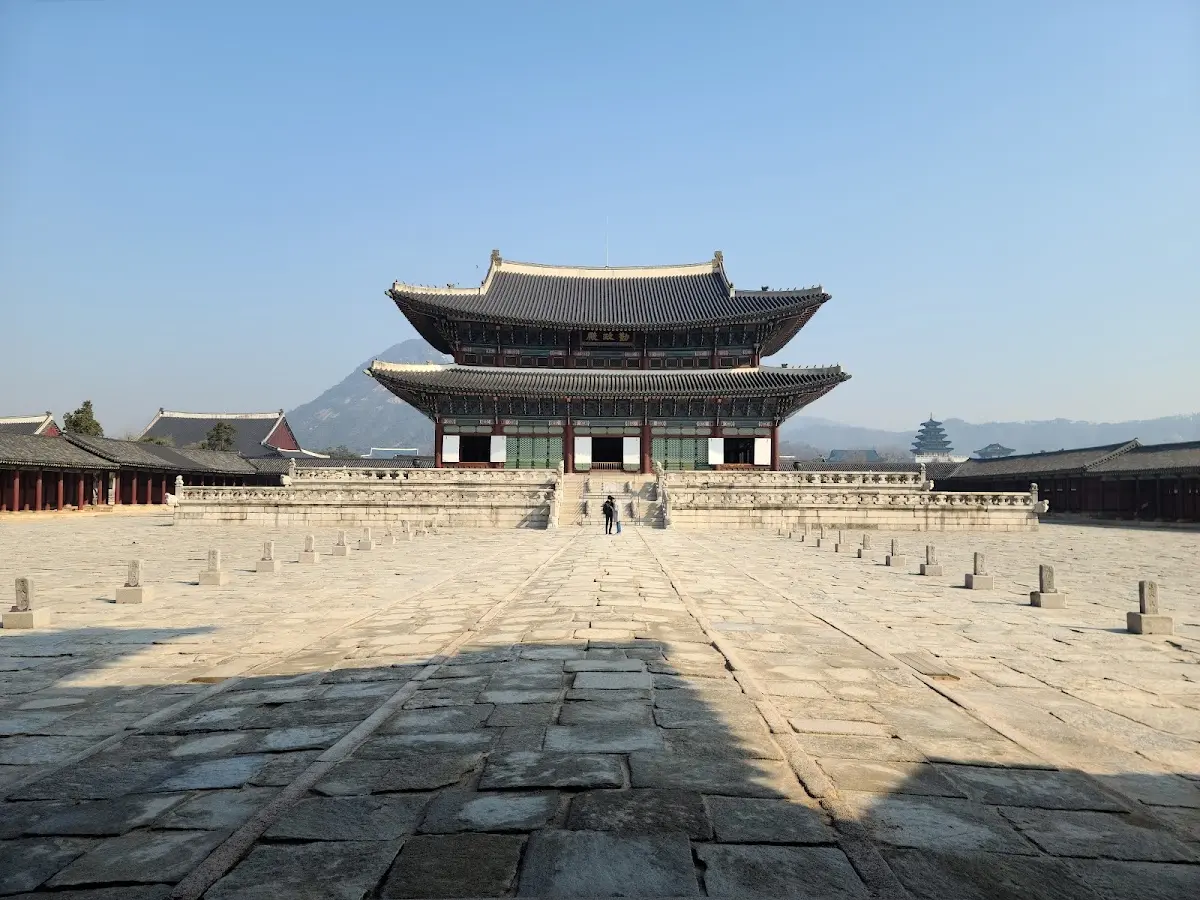
경복궁 서울 종로구 사직로 161
The main palace of the Joseon Dynasty where royal ceremonial scenes were filmed. The formal ritual sequences around Geunjeongjeon (throne hall) were shot here. A short walk from City Hall and paired well with the Palace Culture and Life Museum for visitors.
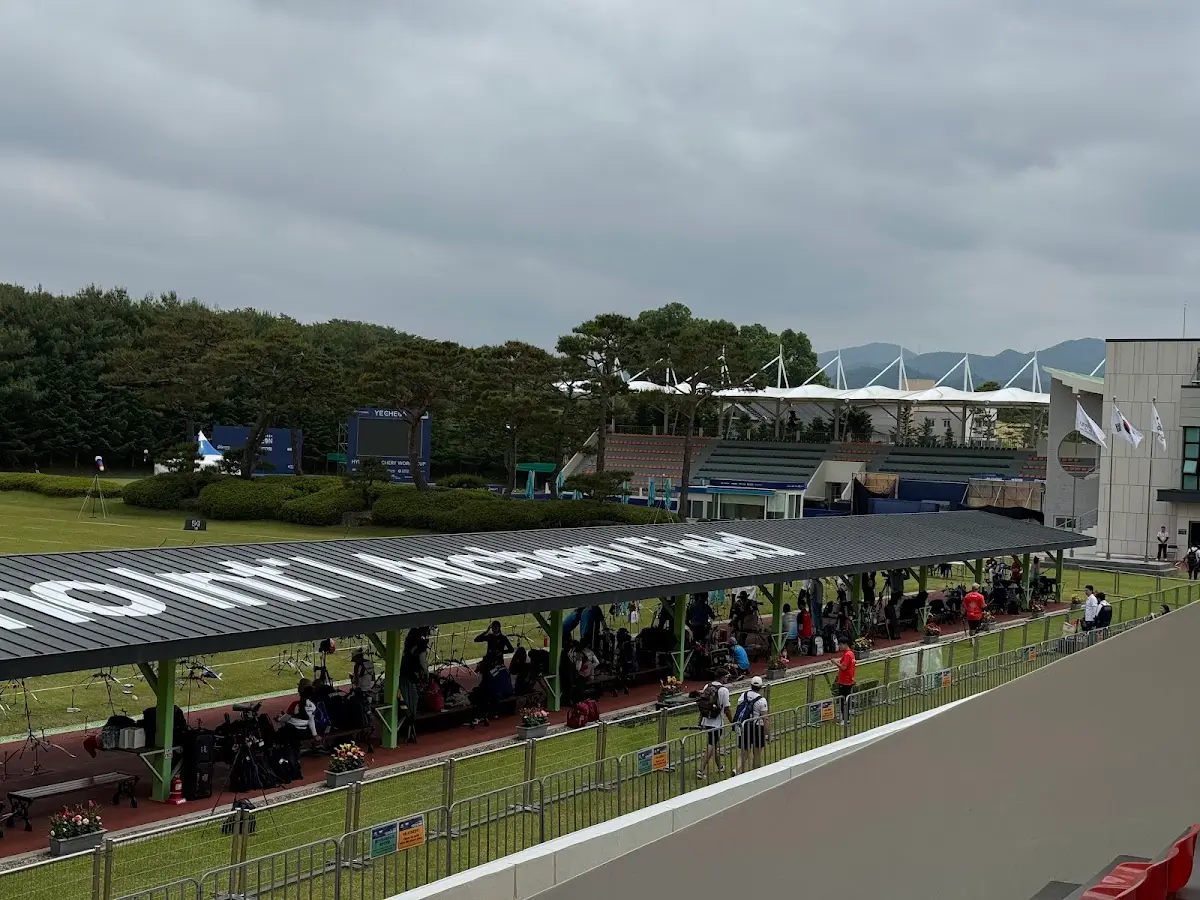
예천활공랜드 경상북도 예천군 용문면 죽림리 국궁장
The traditional archery ground in Yecheon where the bow-and-arrow duel scene was filmed. The rivalry between the lead characters unfolds against this traditional archery range. Yecheon also offers hands-on traditional archery experience programs for visitors.
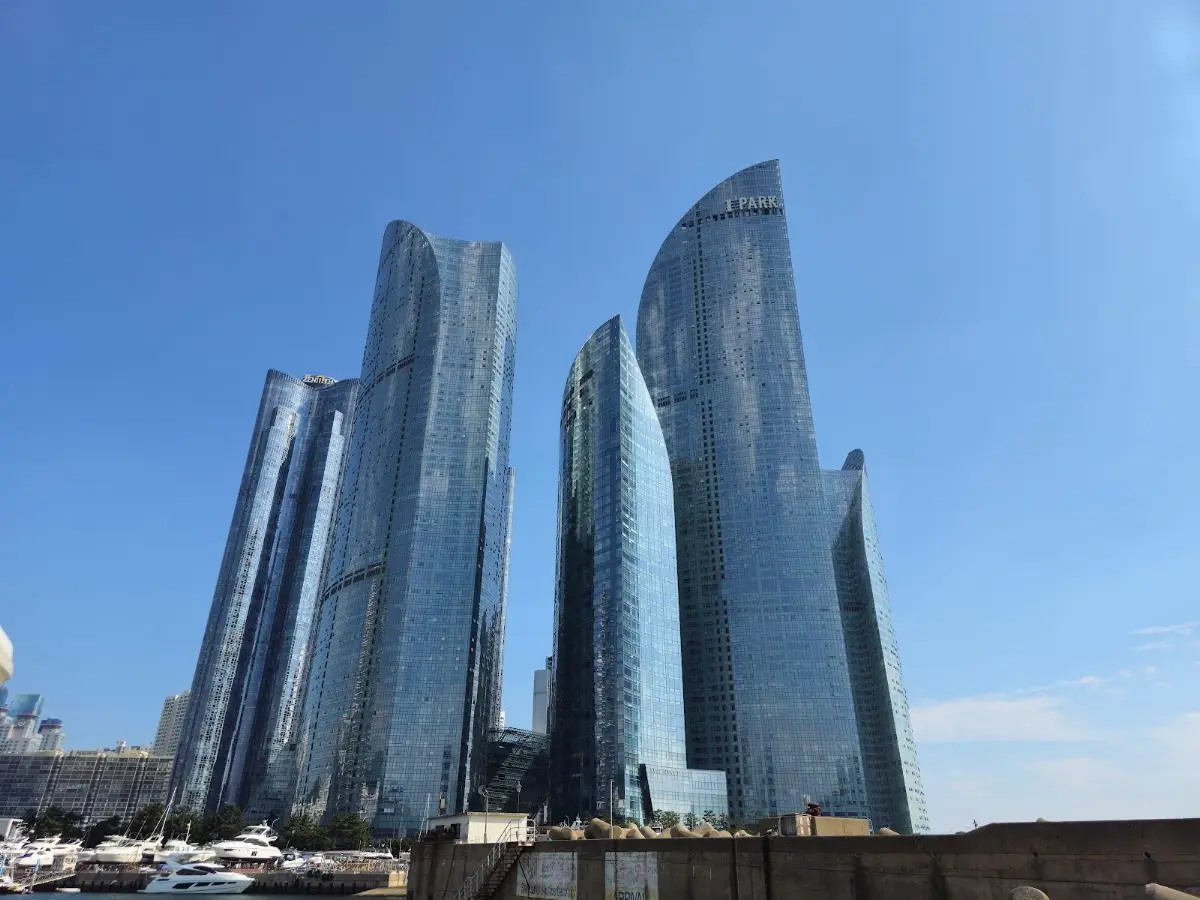
수영만 요트경기장 부산광역시 해운대구 우동 1400
The Busan marina where the chaebol family background scenes were filmed. High-end yachts and the Haeundae skyline provided the visual language for the drama's contemporary wealth sequences. The venue also hosted the 1988 Seoul Olympic sailing events.
Also Nearby
Hwaseong Fortress Wall
The Joseon-era fortress wall running along Paldalsan behind Hwaseong Haenggung. A UNESCO World Heritage Site, the circuit preserves key defensive structures including Janganmun Gate, Hwaseomun Gate, and Seobuuk Gongsimdon bastion. The night view of Suwon city from the ramparts is outstanding.
About 40 minutes from the palace to Seojangtae command post. A great extension after the evening palace visit. Wear comfortable shoes.
Cheomseongdae Observatory
A Silla-era astronomical observatory a 10-minute walk from Oreung. Built in the 7th century, it is the oldest surviving astronomical observatory in East Asia, its cylindrical granite structure standing unchanged for over 1,400 years. The light that settles over the surrounding field at dusk is beautiful.
Linking Oreung, Cheomseongdae, and Daereungwon on foot makes a complete half-day Gyeongju circuit. In spring, rapeseed flowers frame the tower; in autumn, cosmos.
Hahoe Folk Village
A UNESCO World Heritage village about 30 minutes by car from Manhyujeong. The Nakdong River wraps around the village in an S-curve, and Joseon-era tiled and thatched houses are preserved in their original form. Home to the Ryu clan, it also contains pavilions such as Gyeomam Jeongsa and Ogyeon Jeongsa, making it a natural extension of a Manhyujeong visit.
Check the schedule of the Hahoe Byeolsingut Talnori masked dance performance before visiting. For a panoramic view of the village, walk across to Buyongdae cliff on the opposite bank.
Wibongsa Temple & Wibong Falls
The area around Wibongsan, about 15 minutes by car from Awon Gotaek. Wibongsa is a historic temple founded in the Baekje period, with a zelkova tree over 600 years old in its grounds. Wibong Falls nearby is counted among Korea's three great waterfalls. Located on the same ridge as Awon Gotaek on the slopes of Jongnamsan, the two sites pair naturally.
Wibong Falls is most impressive after monsoon season when water volume is at its peak. Pair it with Awon Gotaek as a half-day circuit before or after check-in.
Nakhwaam Rock & Goransa Temple
A cliff within Busosanseong fortress, about 10 minutes by car from the Baekje Cultural Complex. Nakhwaam ("Falling Flower Rock") is the symbolic site where, by legend, three thousand palace women leaped like flowers at the fall of Baekje. The Baengmagang River flows below, and Goransa temple on the bank has stood since the Baekje era. A river cruise or a quiet moment at the Baengmagang ferry landing both reward the visit.
About 20 minutes on foot from the Busosanseong entrance to Nakhwaam. The spring water at riverside Goransa is said by legend to restore three years of youth. The Baengmagang river cruise (round-trip about 40 minutes) lets you look up at the cliff from the water.
Haeundae Beach
Busan's most famous beach, a 10-minute walk from Suyeong Bay Yacht Center. Standing on the beach, you look directly at the Haeundae skyline that the drama used as visual shorthand for the chaebol world. From Dongbaekseom island at the western end of the beach, the nighttime panorama takes in the Marine City high-rises and the Gwangan Bridge.
Haeundae Dalmaji-gil, a hillside road lined with cafes and galleries overlooking the sea, is about 30 minutes on foot from the beach. It works equally well as a drive or a slow walk.
Plan Your Visit
Getting there Suwon is the natural starting point, 30 minutes from Seoul by KTX or ITX. Gyeongju, Andong, and Haman are best reached by long-distance bus or rental car. Awon Gotaek in Wanju is about 40 minutes by car from Jeonju Station (KTX). Buyeo is about 1 hour by bus from Daejeon Station (KTX).
Best season To catch the Haman Mujinjeong nokwha fire ceremony (national intangible cultural heritage), plan around the 8th day of the 4th lunar month (usually May). Hwaseong Haenggung's evening opening runs Friday-Sunday year-round. Oreung in Gyeongju and Manhyujeong in Andong are especially beautiful in spring and autumn.
Time needed Hwaseong Haenggung: half-day. Gyeongju Oreung (with Cheomseongdae and Daereungwon): half-day. Manhyujeong, Andong: half-day. Mujinjeong, Haman: 2 hours. Awon Gotaek, Wanju: overnight stay. Baekje Cultural Complex, Buyeo: half-day. Gyeongbokgung, Seoul: half-day. Yecheon archery range: 2-3 hours. Suyeong Bay Yacht Center, Busan: 1-2 hours.
Admission & access Hwaseong Haenggung evening: 1,500 KRW (adults, Fri-Sun). Gyeongbokgung: 3,000 KRW. Gyeongju Oreung: 1,000 KRW. Baekje Cultural Complex: 6,000 KRW. Manhyujeong and Mujinjeong: free. Awon Gotaek requires advance booking.