
100 Days of Lies
- 4
- Locations
- 1
- Related place
- 1
- Countries
- 2026
- Year
Overview
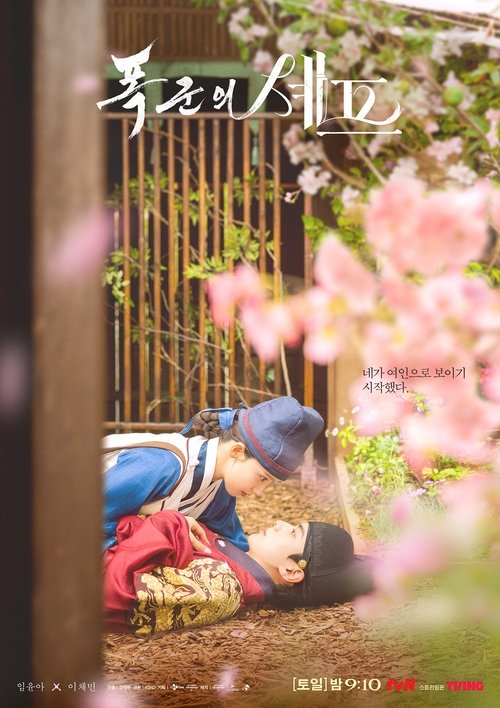
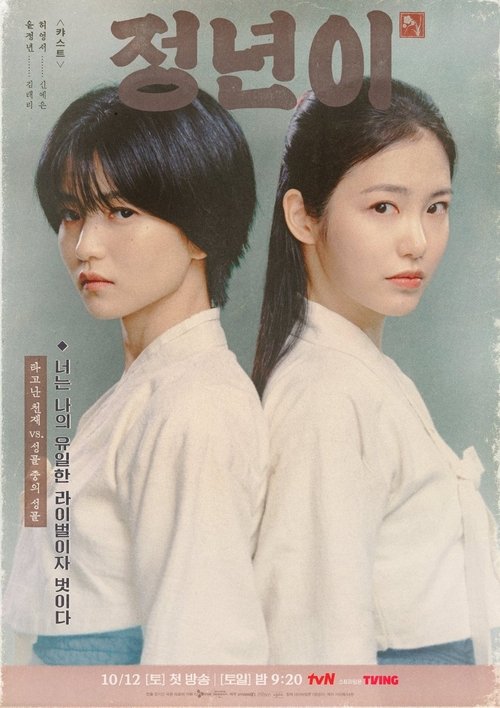
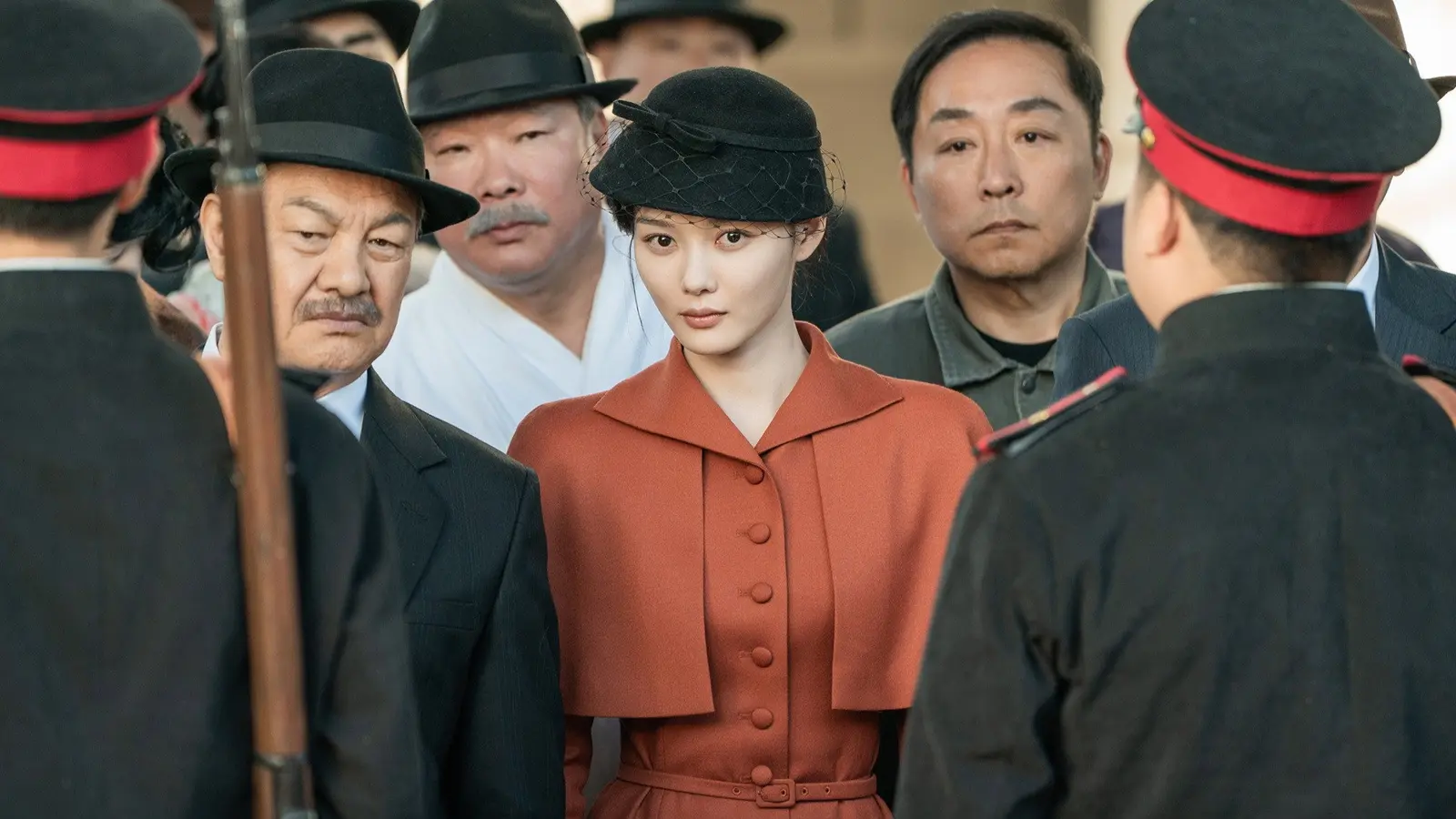
Gyeongseong in the 1930s, under Japanese colonial rule. Lee Ga-gyeong, the city's finest pickpocket trying to scrape together passage money to America, takes a deal from an independence group and becomes a spy. Going undercover as an interpreter inside the Japanese Government-General, she collides with Kim Tae-ung (a trilingual elite interpreter and the adopted son of a high official) and finds herself torn between a perilous espionage game and an even more dangerous love. Made as a special for tvN's 20th anniversary, the 16-episode series aired on Saturday and Sunday nights from 10 October 2026. Yoo In-sik directed from a script by Ryu Bo-ri, with Kim Yu-jeong as Lee Ga-gyeong, Jin Young (Park Jin-young) as Kim Tae-ung, also known as Sato Hideo, Kim Hyun-joo as Yu So-ran, Lee Moo-saeng as Yu Phillip and Jin Sun-kyu as Sato Shinichi, the Government-General's director of political affairs.
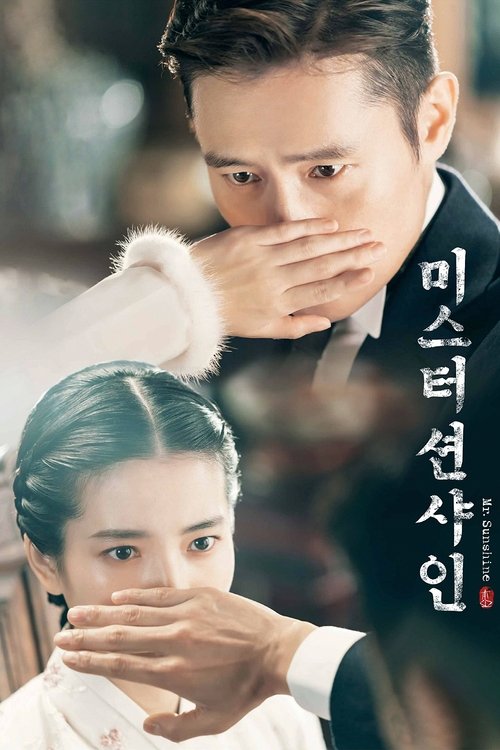
The show's Gyeongseong is not one place but several regions stitched together. Sunshine Land in Nonsan carries the most scenes, with Gyeongseong Station, Huiwon, the Hanseong clinic and the market street all filmed there. Work to add more of 1930s Gyeongseong Station and its streets is still going on, so some paths may be closed. In Seoul, look at the Unhyeongung Western-style house from outside in Jongno, then walk up to Dilkusha on the hill in Sajik-dong, and you have seen Sato Shinichi's mansion and the house that inspired Huiwon in one day.
Filming Locations
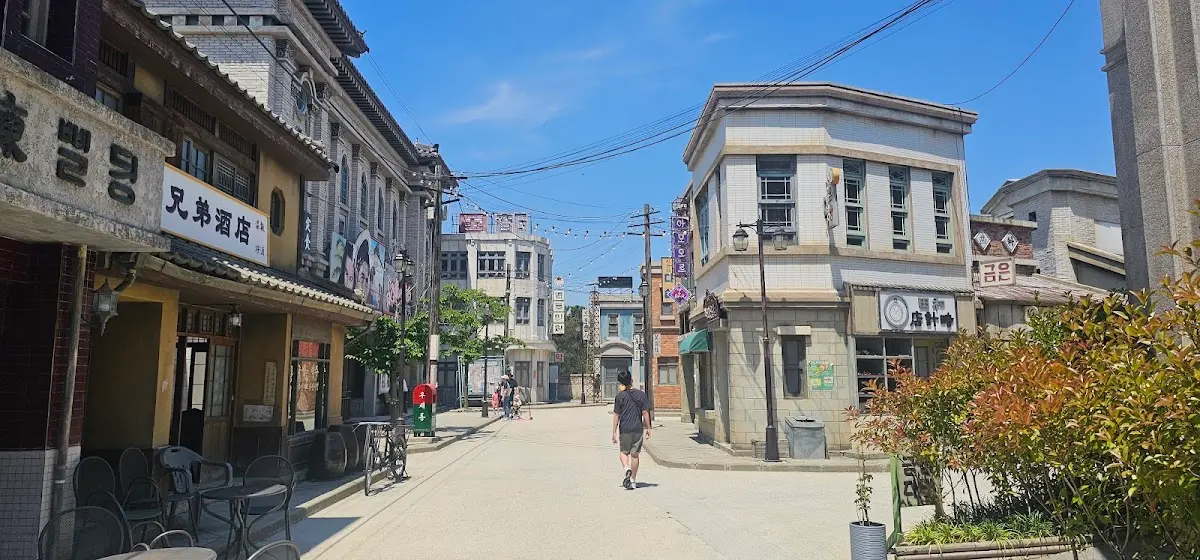
논산 선샤인랜드 충청남도 논산시
Scene
Nonsan City says Sunshine Land is where the series filmed its key scenes, including Gyeongseong Station, an independence fighter's secret mansion, the Hanseong clinic and the market street. Gyeongseong Station, where Ga-gyeong and Tae-ung first cross paths, Huiwon, the house where Yu So-ran and Yu Phillip live, and the Hanseong clinic with the resistance hideout in its basement are all here. Work is under way to add a more detailed 1930s Gyeongseong Station and streets to Sunshine Studio, the set first built for Mr. Sunshine, so some paths may be closed off.
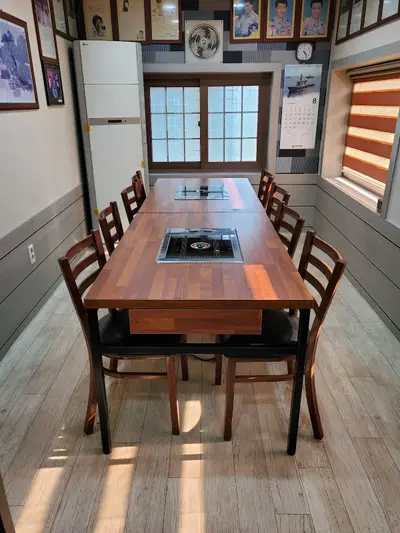
Nearby Eats
Popular eateries near the filming spot
합천영상테마파크 경상남도 합천군 용주면 합천호수로 757
Scene
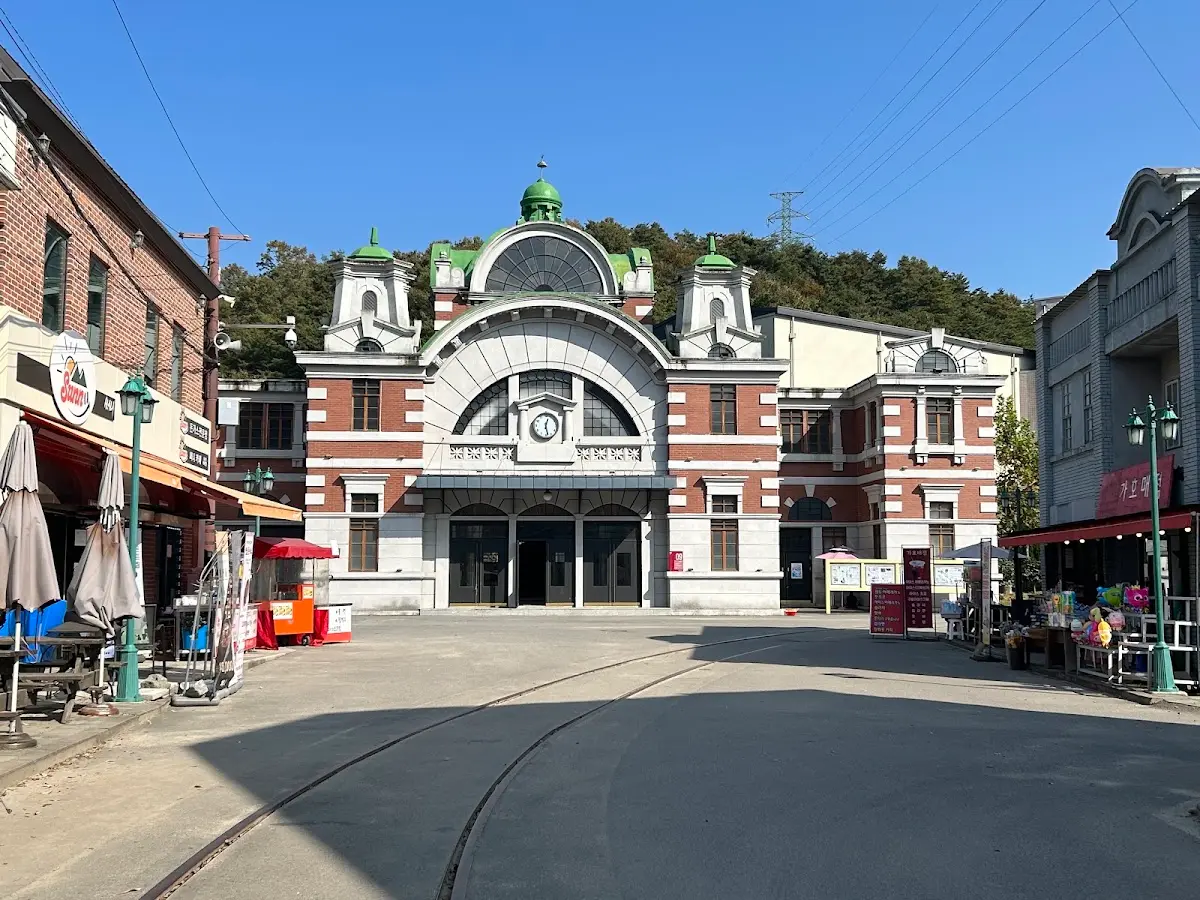
The Hapcheon County facilities corporation lists this series among the productions filmed here in 2026. The open set recreates streets from the 1920s through the 1980s, which suits the city scenes of Gyeongseong, but the production has not said which scenes in which episodes were shot here. You can walk the set streets with an admission ticket, and some areas close on shooting days.
VisitingYou can go insideAdmission chargedClosed Monday
Per the official page on 2026-11-17. Official page ↗ Check the official page for public holidays and temporary closures.
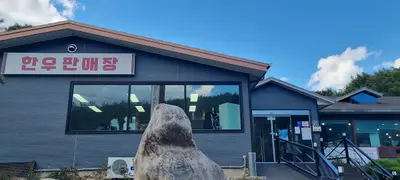
Nearby Eats
Popular eateries near the filming spot
운현궁 양관 서울특별시 종로구 삼일대로 464
Scene
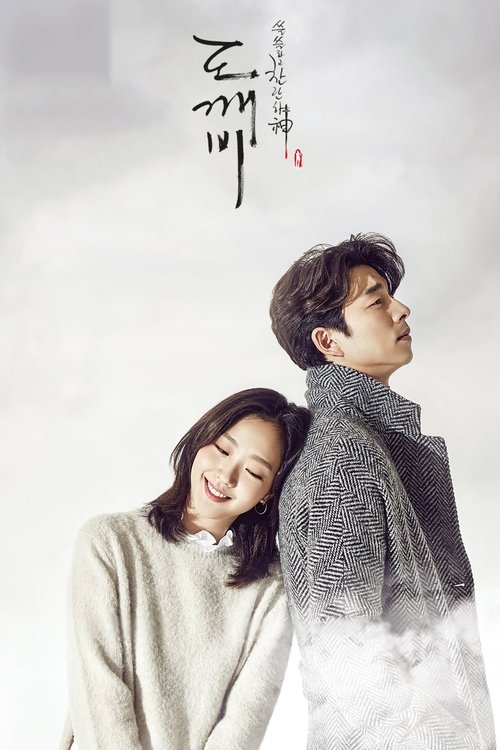
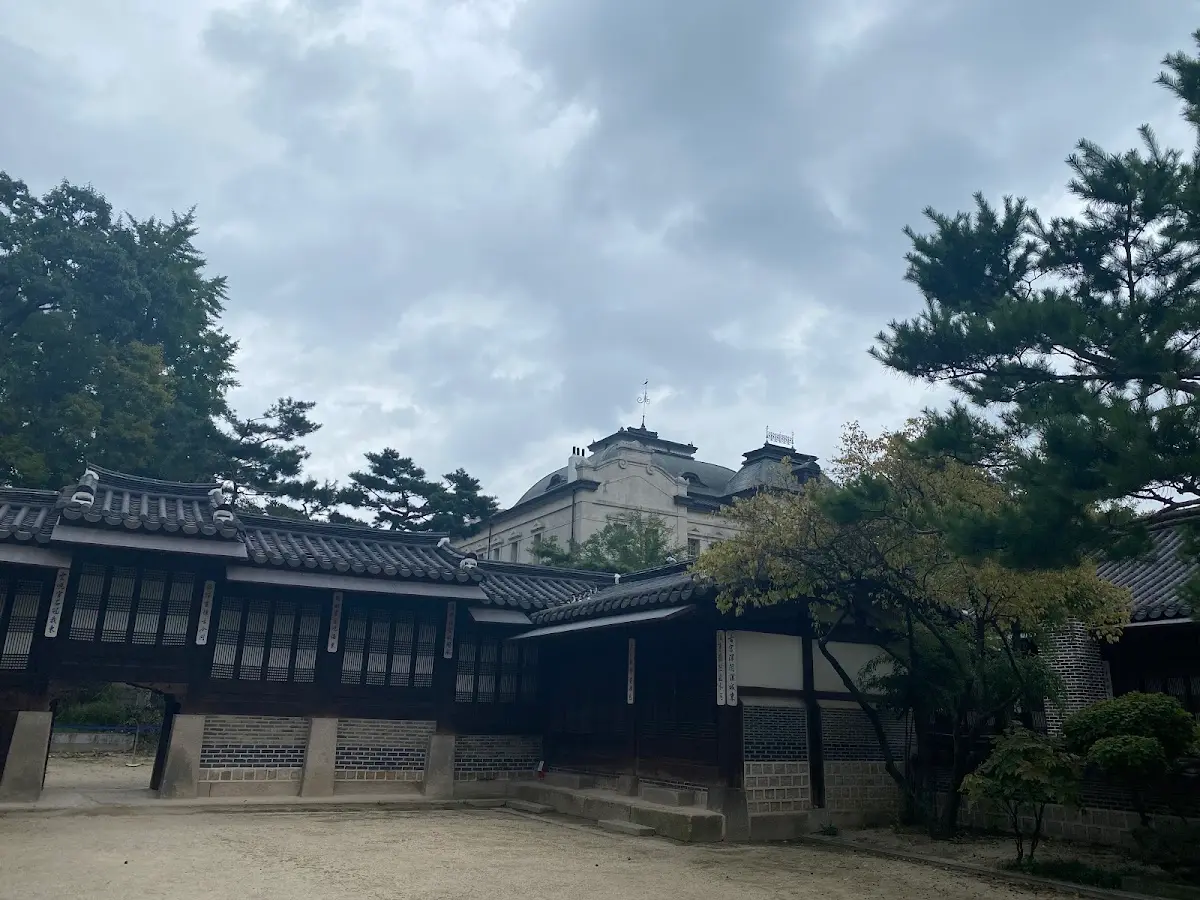
The Western-style building that plays the mansion of Sato Shinichi, the colonial government's head of political affairs. It is a two-storey house built around 1912 for Yi Jun-yong, grandson of the Heungseon Daewongun, and it also served as the outside of Kim Shin's house in Goblin. It now stands inside Duksung Women's University's Jongno campus, so you can only see it from outside.
VisitingOutside only
Per the official page on 2026-11-17. Official page ↗ Check the official page for public holidays and temporary closures.
Nearby Eats
Popular eateries near the filming spot
운보의 집 충청북도 청주시 청원구 내수읍 형동2길 92-41
Scene
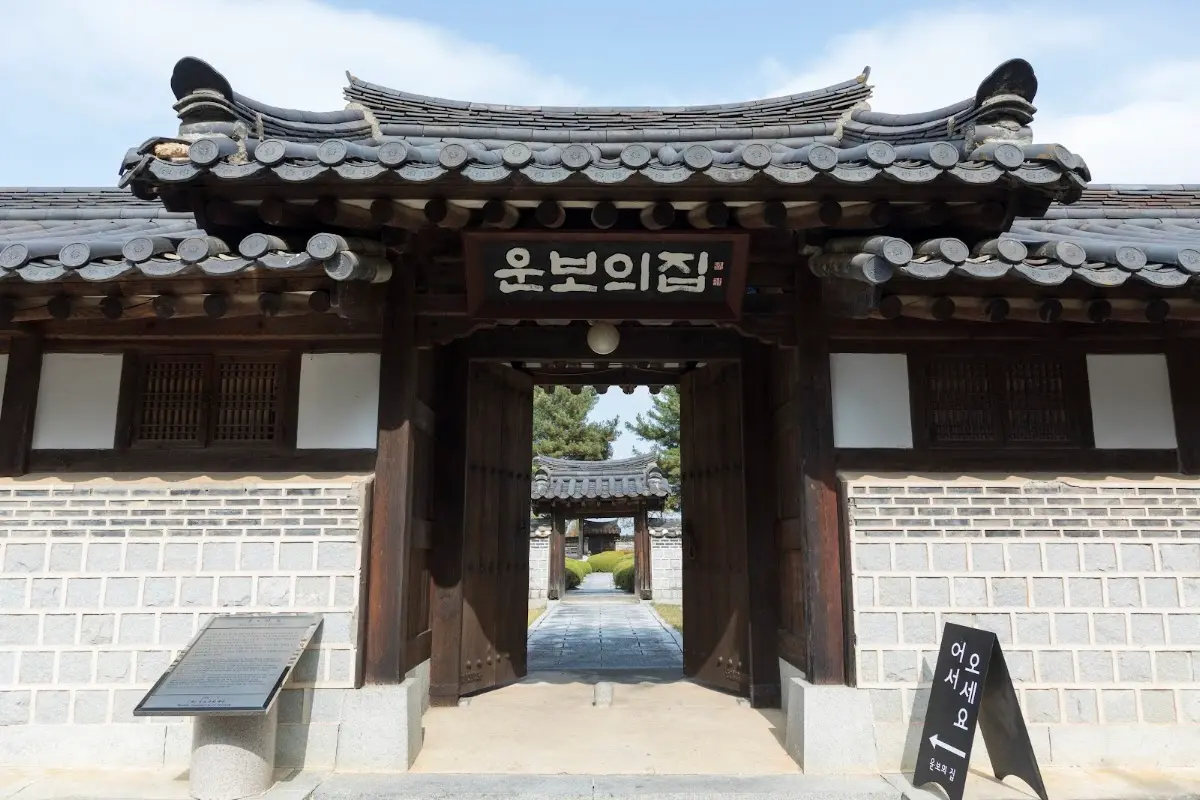
The hanok that plays the home of Kim Seung-eok, president of the Joil textile company, where Ga-gyeong goes after receiving a letter calling her to an interview. It is the house where the painter Unbo Kim Ki-chang spent his last years, a hanok set around a broad garden and pond, which is why it could stand in for a wealthy 1930s household. It sits among the fields of Naesu-eup north of Cheongju, so it is easier to reach by car.
딜쿠샤 서울특별시 종로구 사직로2길 17
Scene
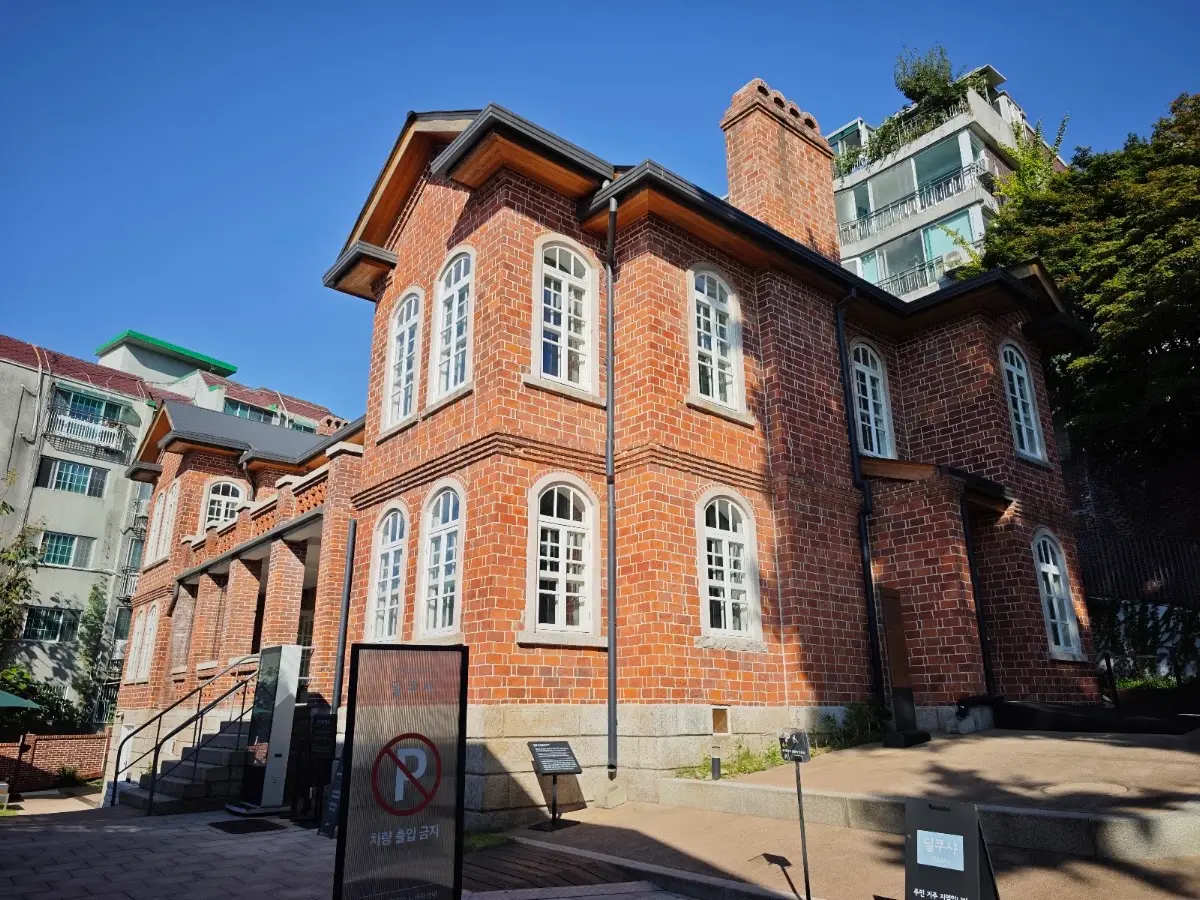
The house that inspired Huiwon, the mansion where Yu So-ran and Yu Phillip live. Art director Yang Hong-sam says Huiwon was rebuilt around the story of Dilkusha, a real modern-era building. Nothing was filmed here. Dilkusha is a red-brick house built in the 1920s by the American journalist Albert Taylor and his wife, and its name means heart's delight in Persian, just as Huiwon in the drama means garden of joy. The Seoul Museum of History now runs it as a museum.
Related placeLinked to the title, but not a filming location.
VisitingYou can go insideFree entryOpen 09:00-18:00Closed Monday
Per the official page on 2026-11-17. Official page ↗ Check the official page for public holidays and temporary closures.
Now StreamingWatch now